Leather Strap
The traditional watch strap: calf, alligator, or exotic skin
What it is
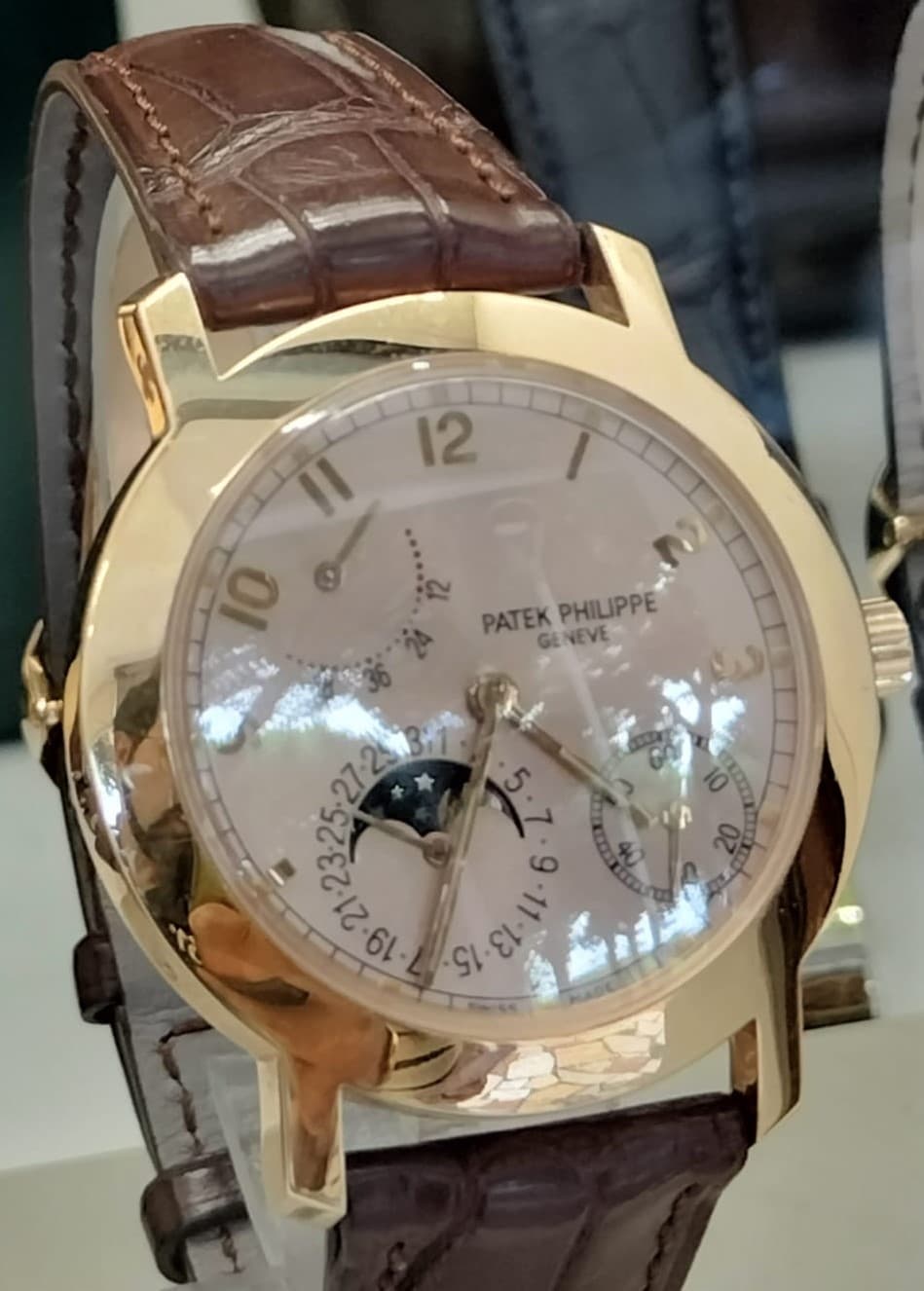
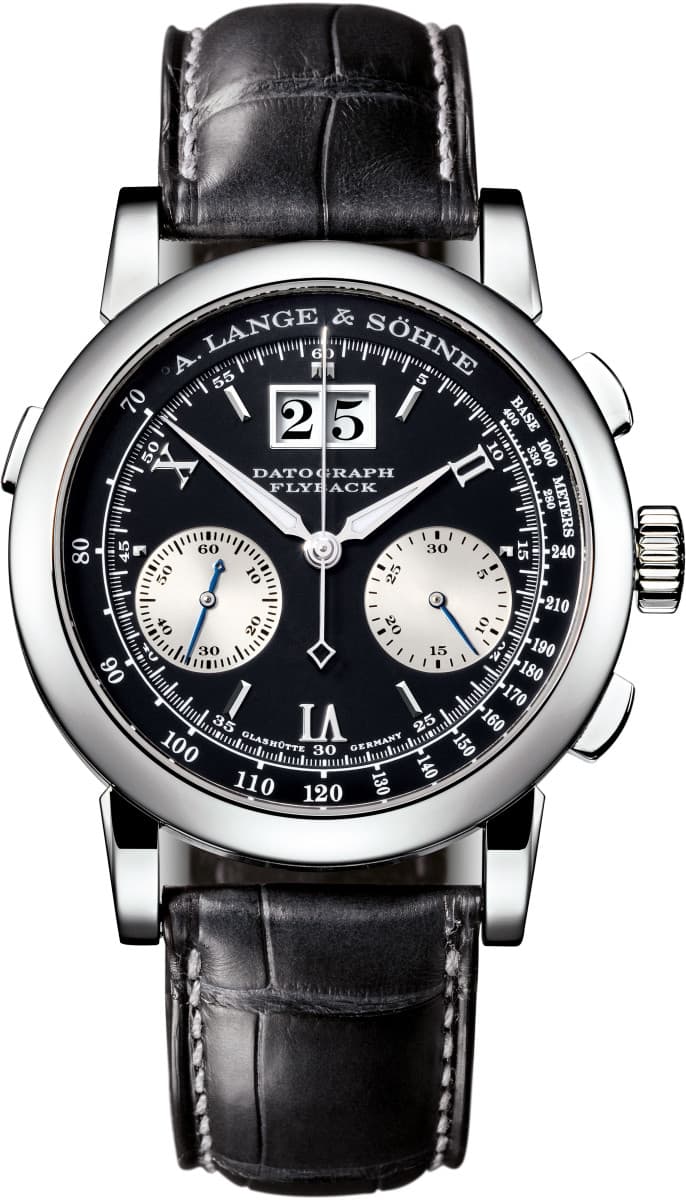
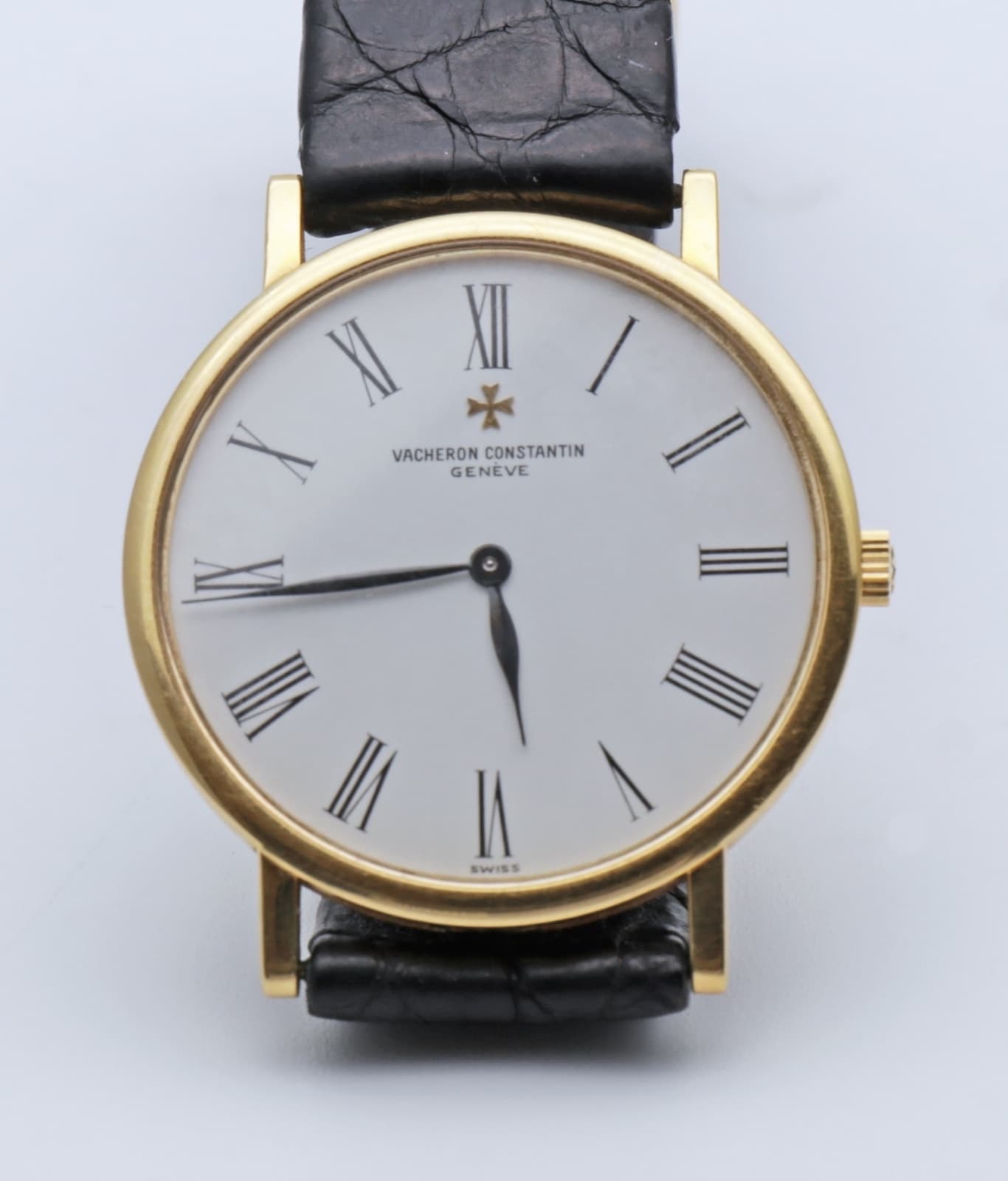
The traditional watch strap: calf, alligator, crocodile, ostrich, or shark skin. Alligator and crocodile are the prestige standards on dress watches. The strap connects to the case via spring bars at the lug width. Quality is expressed through the leather grade, stitching, and lining. Most dress watches from Patek Philippe, Lange, and Vacheron ship on leather by default.
History
Wristwatches began as pocket-watch movements adapted into wrist-worn cases during the late 19th century, and the strap was simply the logical way to attach them. Leather dominated until metal bracelet technology matured in the 1940s and 1950s. Alligator straps became the marker of formal dress watches because their scale pattern, when properly cut and glazed, is visually distinct and ages gracefully if kept dry. CITES regulations govern the sale of exotic skins internationally; legitimate alligator straps are documented through the supply chain. A well-broken-in alligator strap on a dress watch is one of the harder effects to replicate quickly.
How it works
The strap attaches to the case lugs via two spring bars, one per end. The spring bar compresses lengthwise to fit inside the lug channel, then expands to lock. Strap width at the case is the lug width (often 18–22mm); the strap tapers toward the buckle. The buckle is a simple pin-through-hole design. Leather straps require rotation if worn daily: moisture from the wrist degrades the leather over time, and alternating between two straps extends the life of both significantly.
In the catalog
Related
- Bracelet / Strap: The band that holds the watch on the wrist
- Clasp: The fastening mechanism on the bracelet or strap
- Lugs: The projections that hold the strap or bracelet