Lugs
The projections that hold the strap or bracelet
What it is
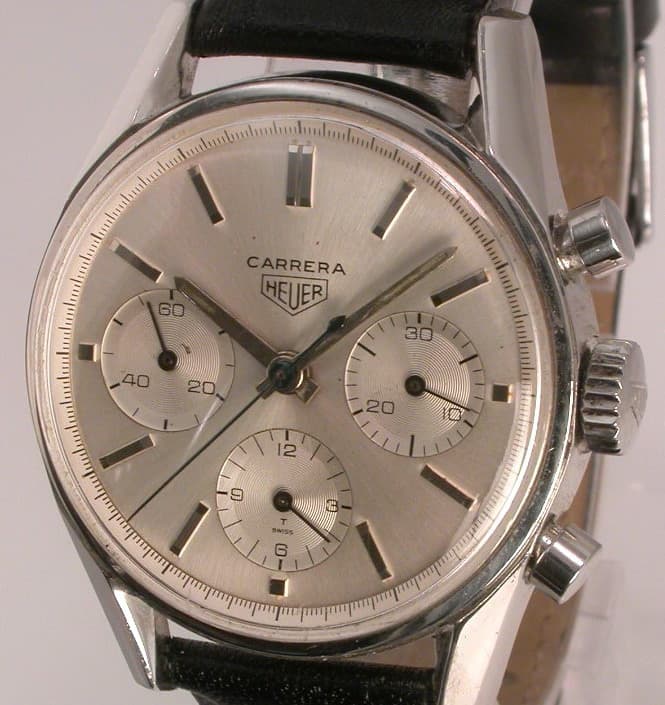
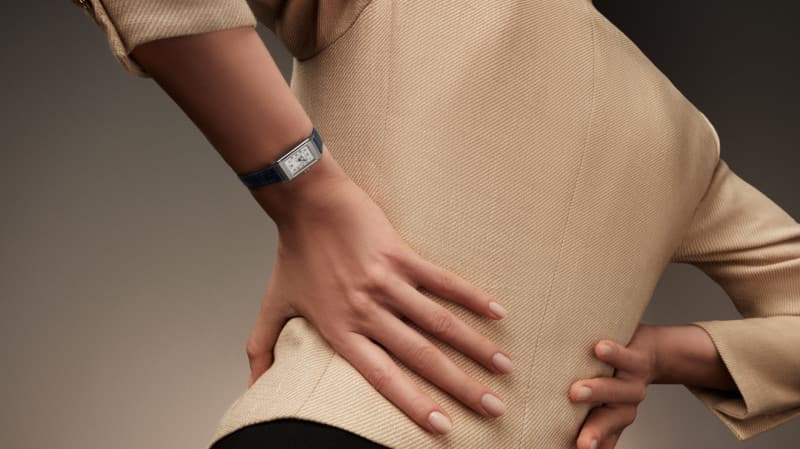
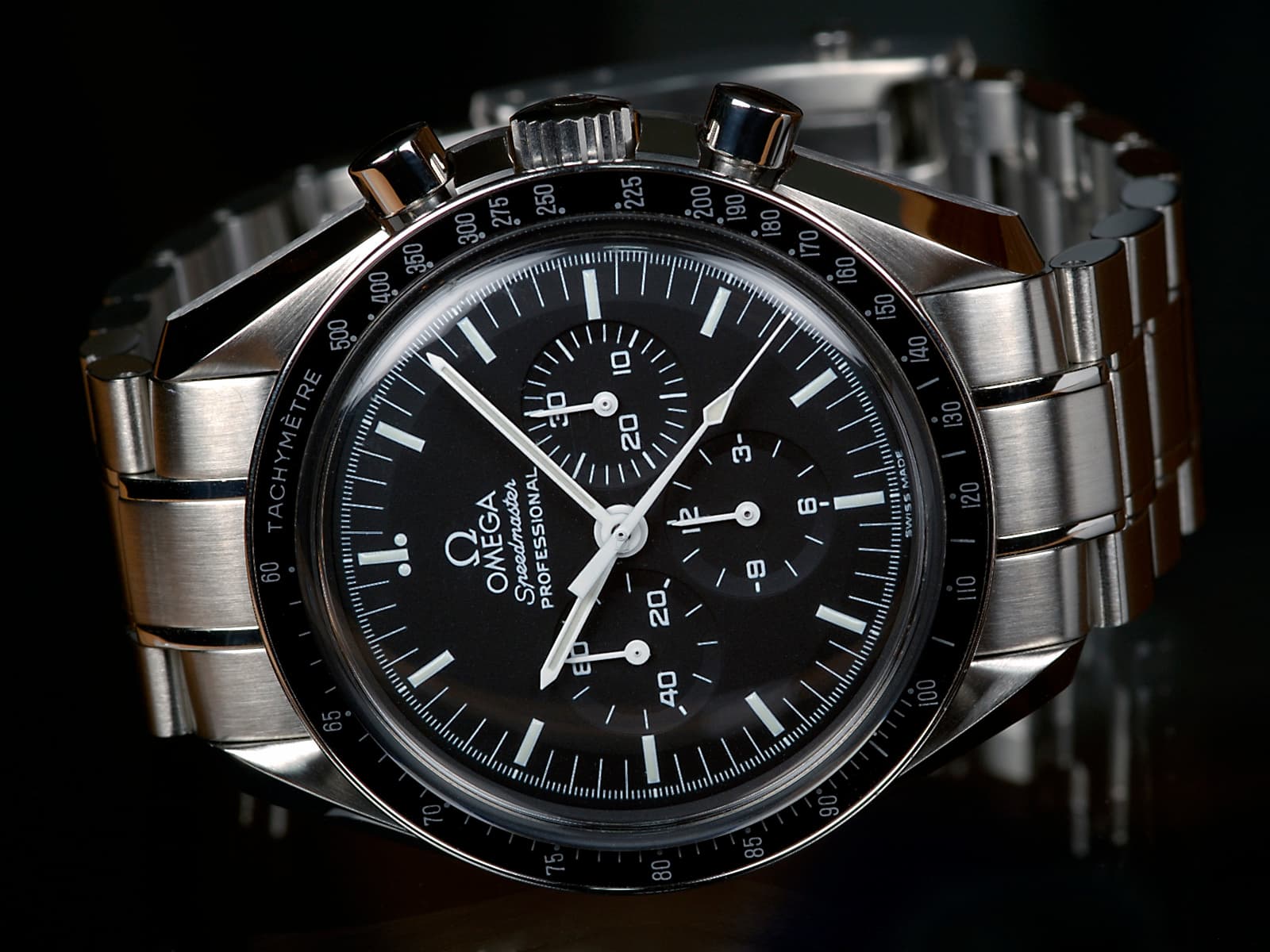
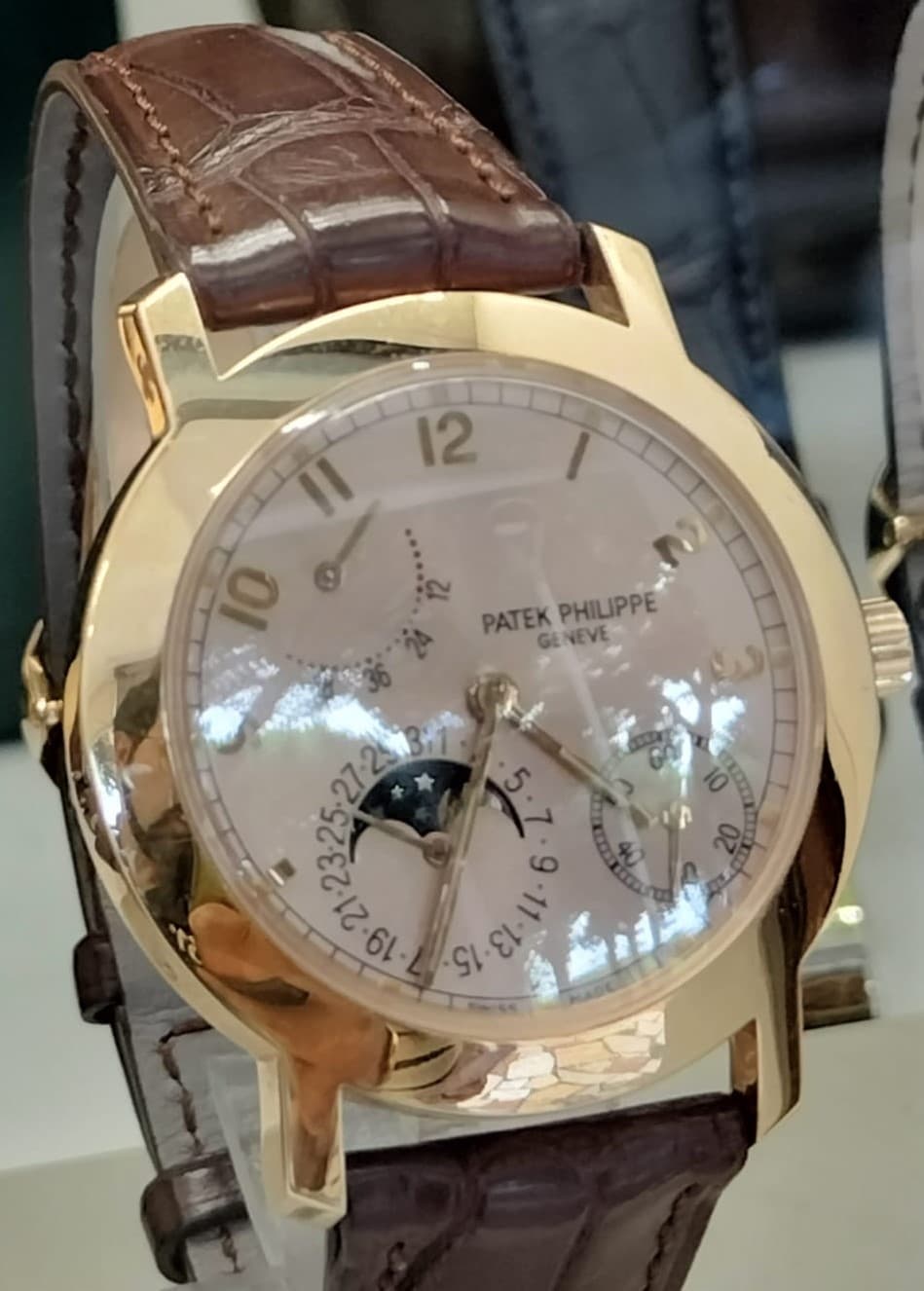
Lugs; also called horns; are the two pairs of projections extending from the top and bottom of the case, between which the strap or bracelet attaches via spring bars. Lug width, measured in millimetres between the inner faces of the lugs, determines strap compatibility: a 20mm watch accepts any 20mm strap. Lug-to-lug distance; the total length from the tip of the upper lugs to the tip of the lower lugs; is a critical fit measurement that is entirely independent of case diameter. A compact 40mm case with long, swept lugs can wear significantly larger on the wrist than a 42mm case with short, straight lugs.
History
Early wristwatch lugs were soldered onto round pocket-watch cases as a provisional adaptation; the "converted pocket watch" era of roughly 1900–1920. As wristwatch design matured, the lug became structurally integral to the case. The Royal Oak (1972) and Nautilus (1976) both have integrated lugs that flow directly into the bracelet, making strap substitution nearly impossible without the correct tools and making the bracelet an inseparable part of the design. The original Submariner references had long, curved lugs; later references progressively shortened them. Collector attention to lug condition is intense on vintage watches: over-polishing rounds the chamfers and edges that define the original case geometry, a change that is permanent and which serious collectors treat as a significant devaluation. Worn lugs on a vintage Rolex can reduce market value by 20–30%.
How it works
The spring bar; a cylindrical spring-loaded shaft with pointed, compressible ends; passes through a drilled hole in the underside of the lug (drilled lugs) or is held between the lug faces by friction (non-drilled lugs). Compressing the spring bar with a dedicated tool allows the strap or bracelet end link to be installed or removed. Lug width is standardised across the industry at common increments (18, 19, 20, 21, 22mm are the most prevalent); any strap made to that width will fit. The spring bar itself is an underappreciated failure point: a fatigued or incorrect-length spring bar can release under tension, causing the watch to fall from the wrist.
In the catalog
Related
- Case: The metal shell that houses the movement
- Bracelet / Strap: The band that holds the watch on the wrist