Live pricing is coming soon. Get notified when it is available for this reference.
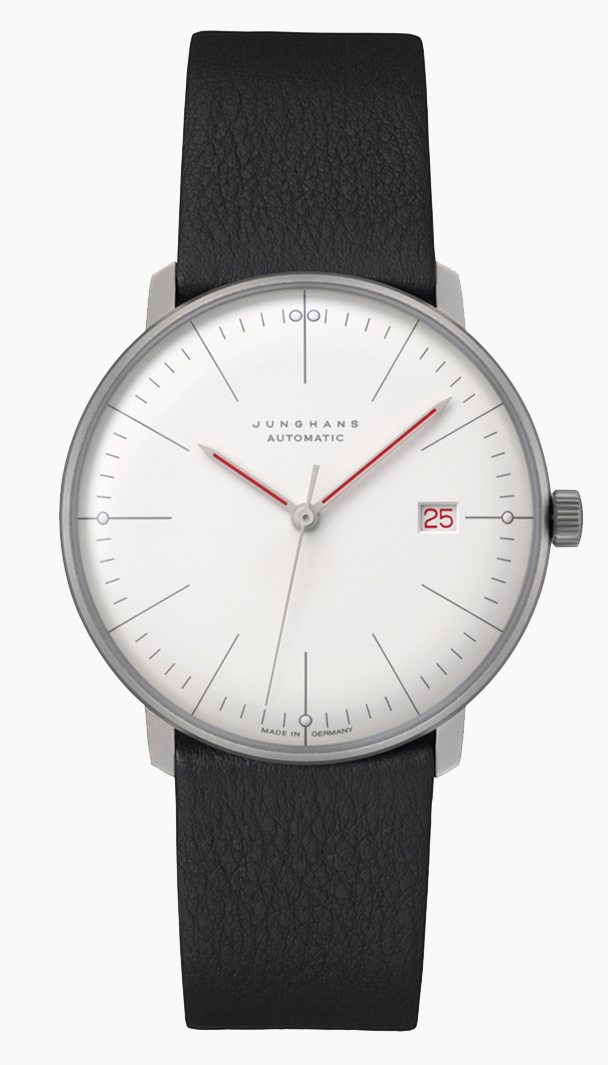
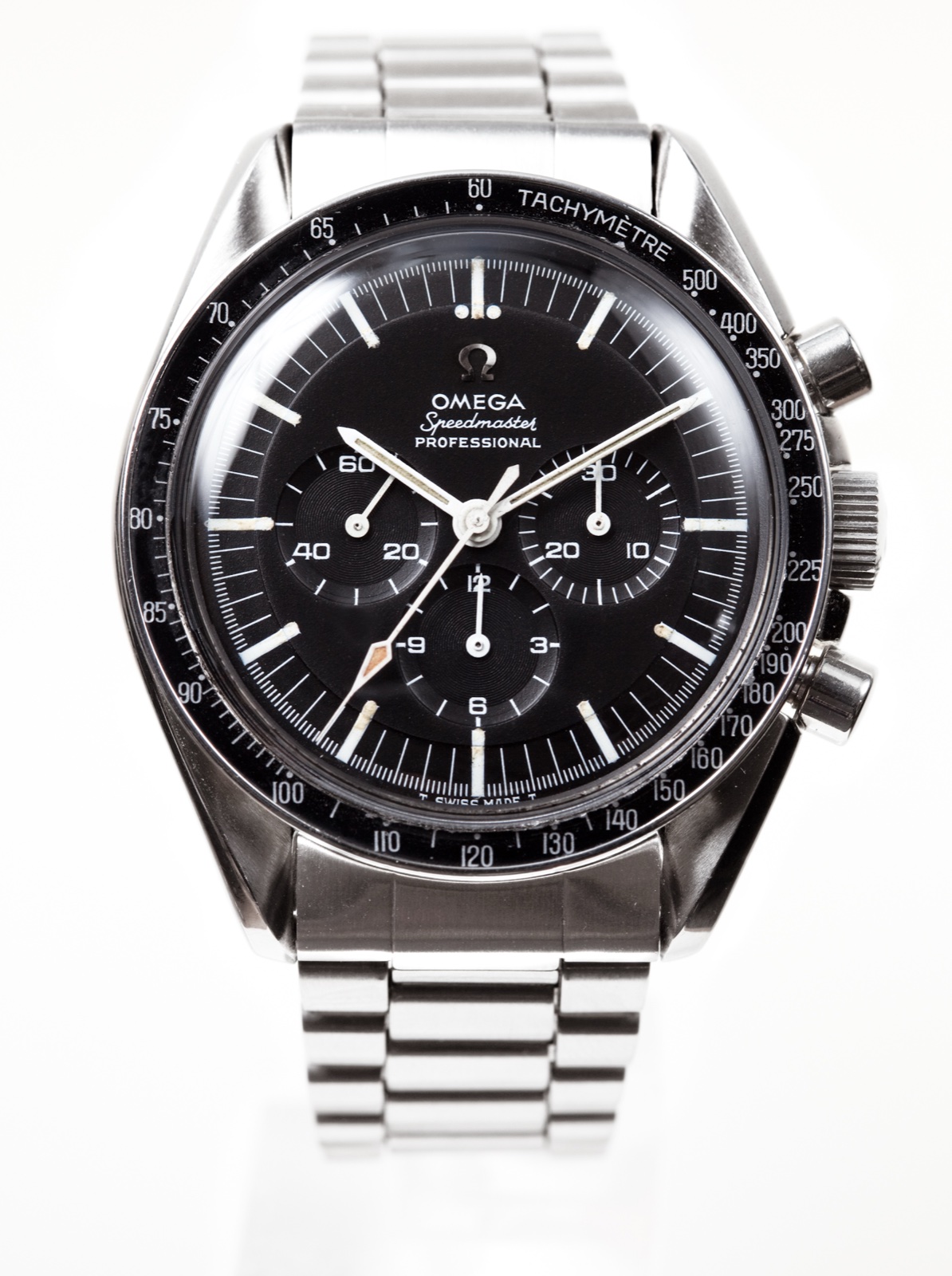
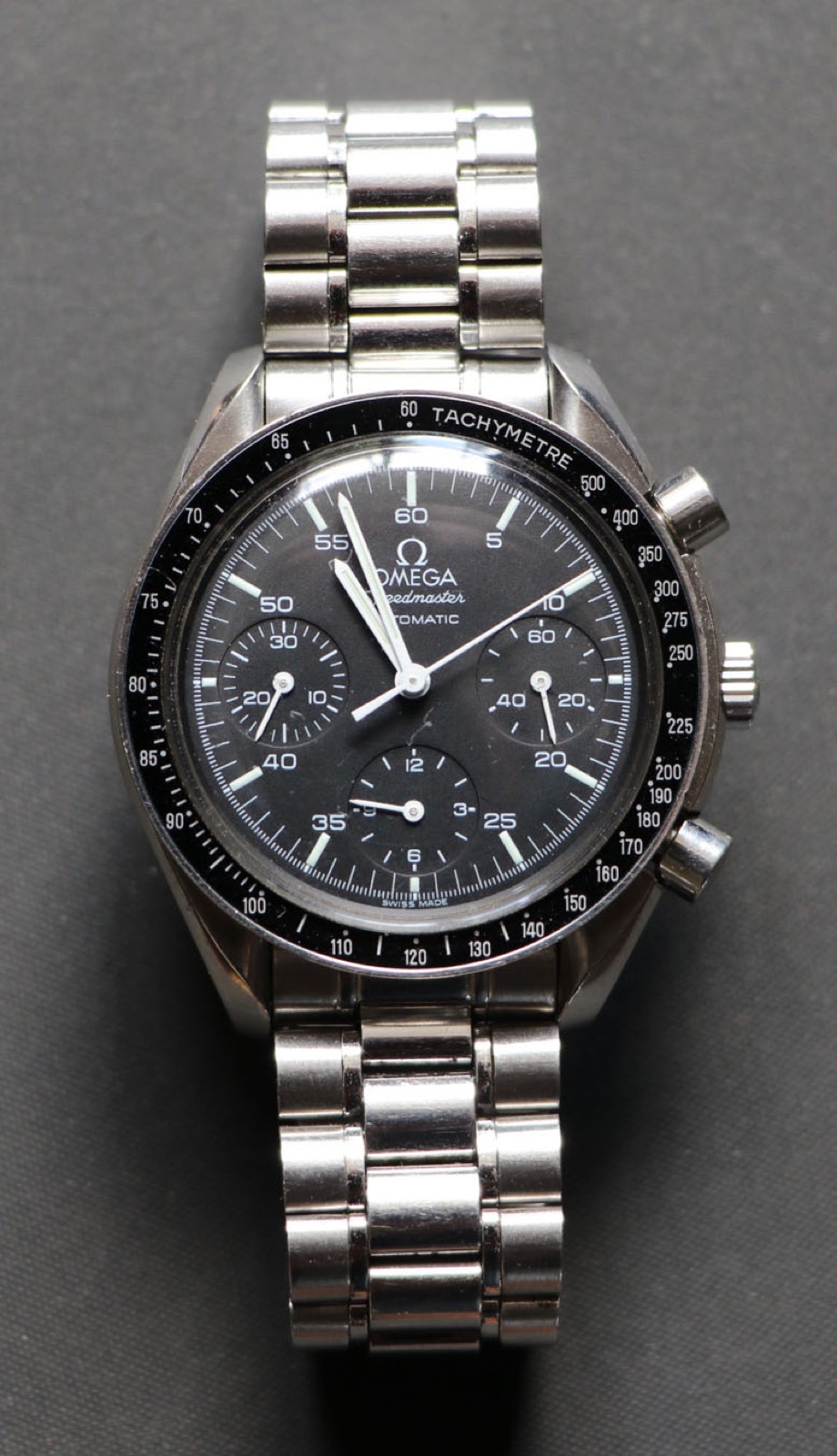
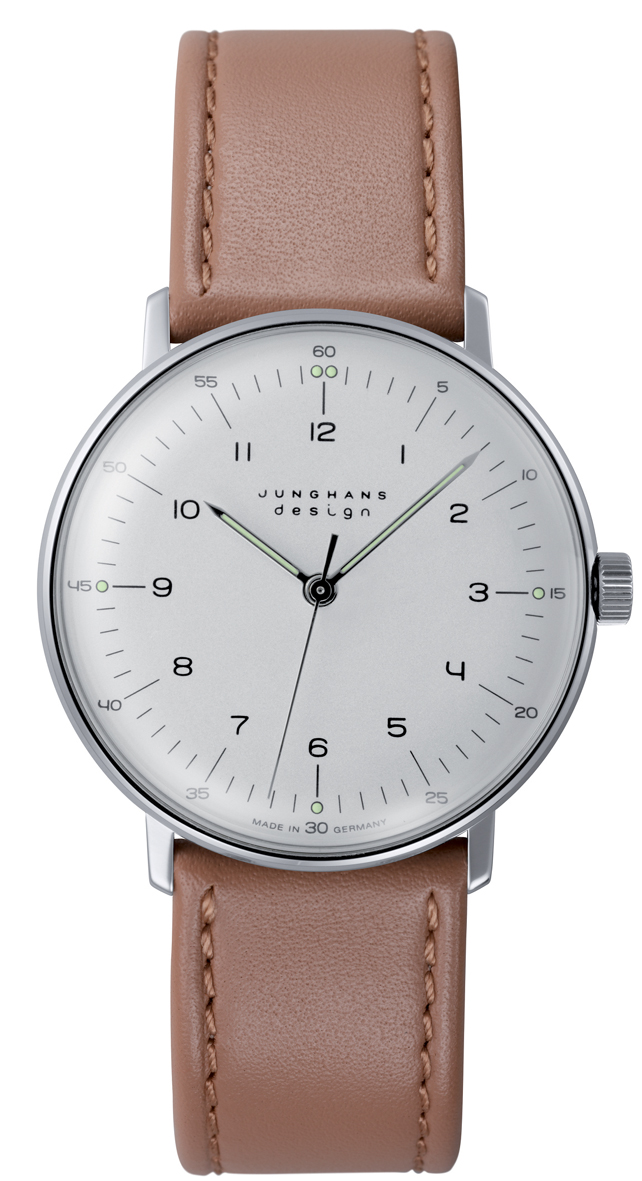
The Max Bill Chronoscope proves that a chronograph does not have to be loud to be functional. Three subdials, a date, and a tachymeter scale sit inside the same restrained dial architecture that defines the Max Bill line, and the result reads as a dress watch first and a sports complication second. At 40mm it wears larger than the 38mm time-only but stays well within the proportion Max Bill himself would have tolerated.
Junghans introduced the Max Bill line in 1961 to honor the Swiss-German designer who had guided Junghans' visual identity in the late 1950s, and the chronograph variant followed as demand for a complication version grew. The Chronoscope name carried forward through several movement generations, most recently settling on the J880.1, which is a Valjoux 7750 base with Junghans' own decoration and regulation. The 1962-to-present dating reflects continuous production across ownership changes, including the period when Junghans passed through various German industrial hands before landing with the Steim family in 2011.
Post-2011 Junghans invested in tighter quality control, and examples from that period onward show noticeably more consistent finishing. The Chronoscope 027/4500.02 is the current steel configuration with date and is the reference most buyers encounter new.
The date window on the 027/4500.02 sits at 4:30 and some buyers find it interrupts the dial symmetry; Junghans does offer a no-date Chronoscope variant, so confirm the reference number before ordering if that matters to you. The J880.1 is a solid movement, but it is a 7750 under Junghans finishing, which means independent watchmakers know it well and parts are not scarce. The 7750 beats at 28,800 bph with the column-wheel column layout that gives it a firm, slightly notchy pusher feel compared to lateral-clutch chronographs; this is not a defect but it surprises buyers expecting a softer action.
Vintage pre-2011 examples can be found at a discount, but inspect the dial closely for print fade on the subdial indices, as earlier production was less consistent. The hesalite crystal version is period-correct and cheaper to replace if scratched, but if you want sapphire confirm the reference includes it rather than assuming.
New retail runs roughly $1,200 to $1,500 depending on configuration and dealer. Pre-owned examples in strong condition trade between $700 and $1,000, with post-2011 pieces commanding the upper end. The Chronoscope is not a scarce watch and prices have been stable, so there is no urgency premium pushing buyers into bad decisions.
At this price tier it competes directly with entry Tissot and Longines chronographs but carries a design credibility those watches do not.
The J880.1 is a Valjoux 7750 derivative, meaning any competent independent watchmaker familiar with ETA-based chronographs can service it without factory support. Junghans recommends a service interval of around five years for the chronograph mechanism. Parts availability is good and service costs are reasonable relative to Swiss manufacture alternatives at this price point.
Community + OSINT signals haven’t landed for this reference yet. We don’t publish a rating against zero signal — the number would mean nothing. Editorial body + caliber + market value still surface above; ratings appear once the signal corpus does.
Index alignment and pusher condition determine authenticity on the Chronoscope.
| Area | What to check | What is correct | Red flag |
|---|---|---|---|
| dial | Applied index alignment | All indices precisely seated; sub-register text centered within each circle | Any index tilted; sub-register printing off-center |
| case | Pusher condition | Original-style pushers with no chrome plating loss; clean return after each operation | Chrome plating loss; non-original pusher style; sticky return |
| caseback | Cal. J880.1 designation | J880.1 engraved; ETA Valjoux 7750 base with Junghans finishing | Non-Junghans caliber designation; generic 7750 without Junghans finishing |