Crown
The winding and time-setting knob
What it is
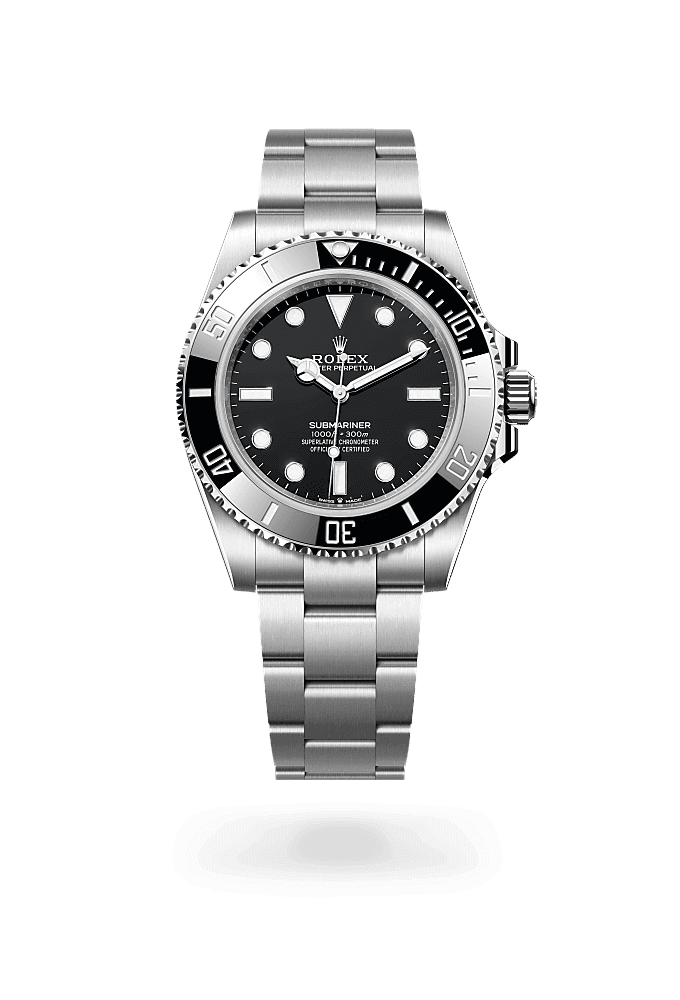
The crown; also called the winding crown or pendant; is the external knob used to wind the mainspring and set the time. On most modern watches it has three positions: pushed in (run), pulled to first click (date correction on watches with a date), and pulled to second click (time-set). On automatic watches the crown is supplementary to the rotor, which winds the mainspring during wear, but hand-winding via the crown remains useful and is always available. Some dress watches use push-button crowns recessed flush with the case to avoid snagging on a cuff.
History
Early pocket watches had no crown at all; time was set with a key inserted through the caseback directly into the movement. The pendant crown for winding and setting arrived around 1820–1830 as pocket-watch design standardised around the keyless works mechanism. The screw-down crown is Rolex's defining contribution: the Oyster case (patented 1926) added a crown that screws into a threaded tube in the case middle, creating an additional waterproof seal beyond the caseback gasket. Rolex's Twinlock crown (introduced 1953, still used on standard Submariner references) has two internal sealing zones; the Triplock crown (introduced 1970, used on the Sea-Dweller and later the deeper-rated Submariner) adds a third zone and supports greater water resistance.
How it works
The crown connects to the stem, a thin shaft that passes through a tube in the case middle sealed with an O-ring gasket. Pulling the crown out disengages a spring-loaded detent inside the movement, switching the gear train from winding mode to setting mode. A ratchet inside the crown mechanism prevents the mainspring from unwinding during hand-winding; the crown turns freely in one direction and clicks in the other. A screw-down crown requires the crown to be unscrewed from its tube before any winding or setting can occur; this thread engagement creates the additional sealing surface that underpins deep water resistance ratings.