Chronograph
A stopwatch complication; start, stop, reset
The column wheel indexes on each pusher press, engaging or releasing the clutch that connects the seconds hand to the gear train.
What it is
A chronograph is a stopwatch complication integrated into the watch movement. Independent of the going train, it is activated by pushers on the case side: one pusher starts and stops the elapsed-time measurement, a second resets all counters to zero. Most chronographs also accumulate minutes and hours of elapsed time on subsidiary counters. The chronograph operates without disrupting the normal timekeeping function of the watch.
History
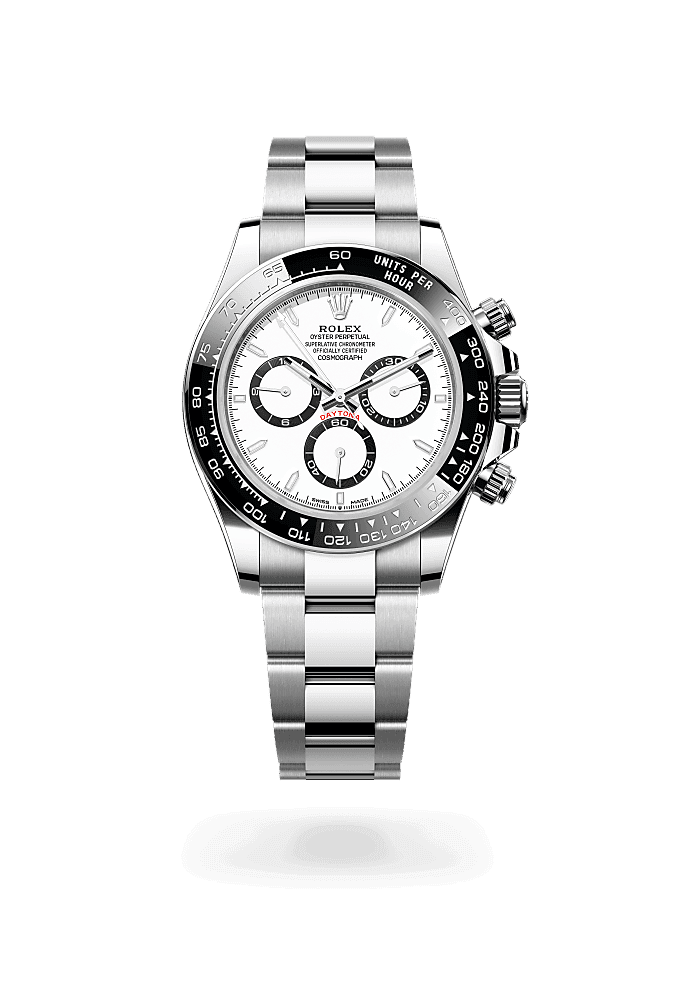
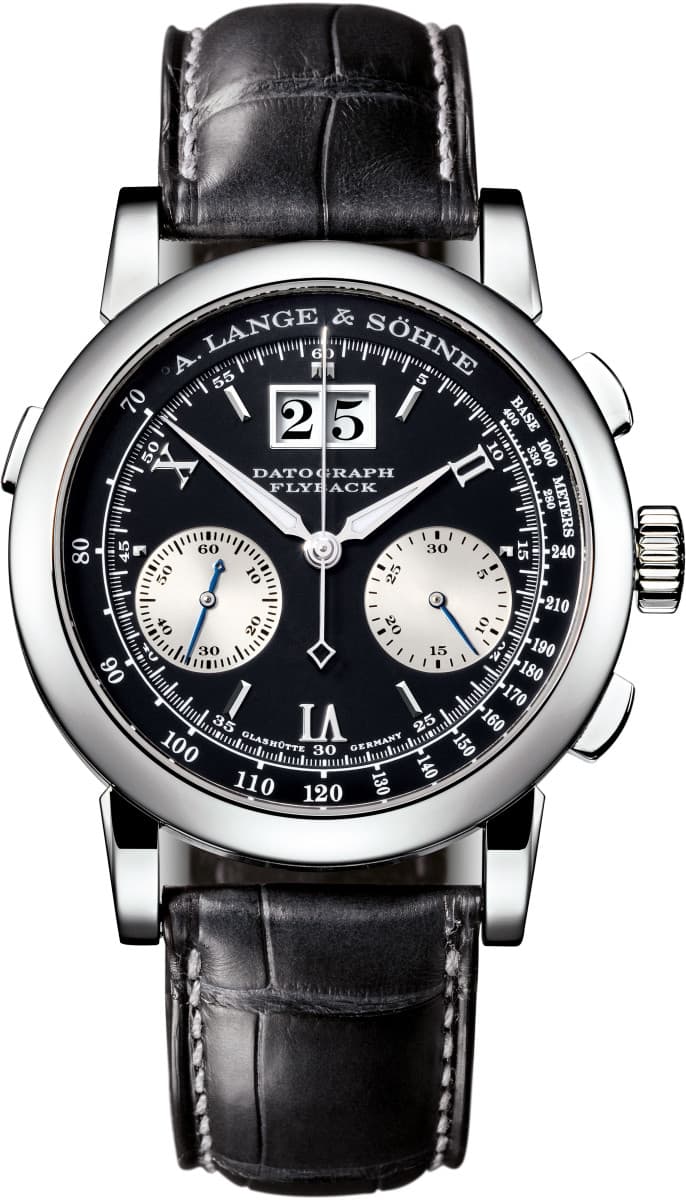
The first chronograph is disputed; Louis Moinet made a device in 1816 and Adolphe Nicole patented the reset mechanism in 1844; but commercial wristwatch chronographs arrived in the 1910s and became culturally central by the 1950s and 1960s through association with motorsport, aviation, and diving. The column-wheel mechanism, which produces precise and consistent pusher feel, was the standard before cost reduction pushed manufacturers toward cam-actuated levers in the 1960s and 1970s. The vertical clutch (Rolex caliber 4130, introduced 2000) eliminated the jumping-seconds defect that plagued horizontal-clutch chronographs at the moment of start. The benchmark column-wheel movements of the modern era include the Rolex 4130, Patek CH 29-535 PS, and Lange L951.
How it works
Pressing the start pusher engages the chronograph clutch, coupling the chronograph seconds hand to the fourth wheel of the gear train. Pressing stop disengages the clutch; the seconds hand freezes. Pressing reset activates a heart-cam system: three heart-shaped cams on the seconds, minute-counter, and hour-counter arbors are simultaneously struck by a return hammer. The heart shape ensures the cam always snaps to zero regardless of where it stopped.
Parts required
Column wheel (or actuating cams), lateral or vertical clutch mechanism, heart cams (three: seconds, minutes, hours), reset hammer set (three hammers), chronograph seconds wheel, minute counter wheel, hour counter wheel, two external pushers with stems and seals
What makes it difficult
Coordinating three reset cams to zero simultaneously without any hand jumping requires precise geometry between the hammers and the heart cams. A vertical-clutch design eliminates the hands-jumping defect at start but is more complex to engineer. Column-wheel construction requires machining the columns to identical height and width for consistent pusher feel across the full operational life of the watch. A flyback or split-seconds variant compounds each of these challenges further.
In the catalog
Related
- Flyback chronograph: Stops, resets, and restarts in a single pusher press
- Rattrapante: A split-seconds chronograph; two independent timing hands
- Date: The most common watch complication; and the most corrected