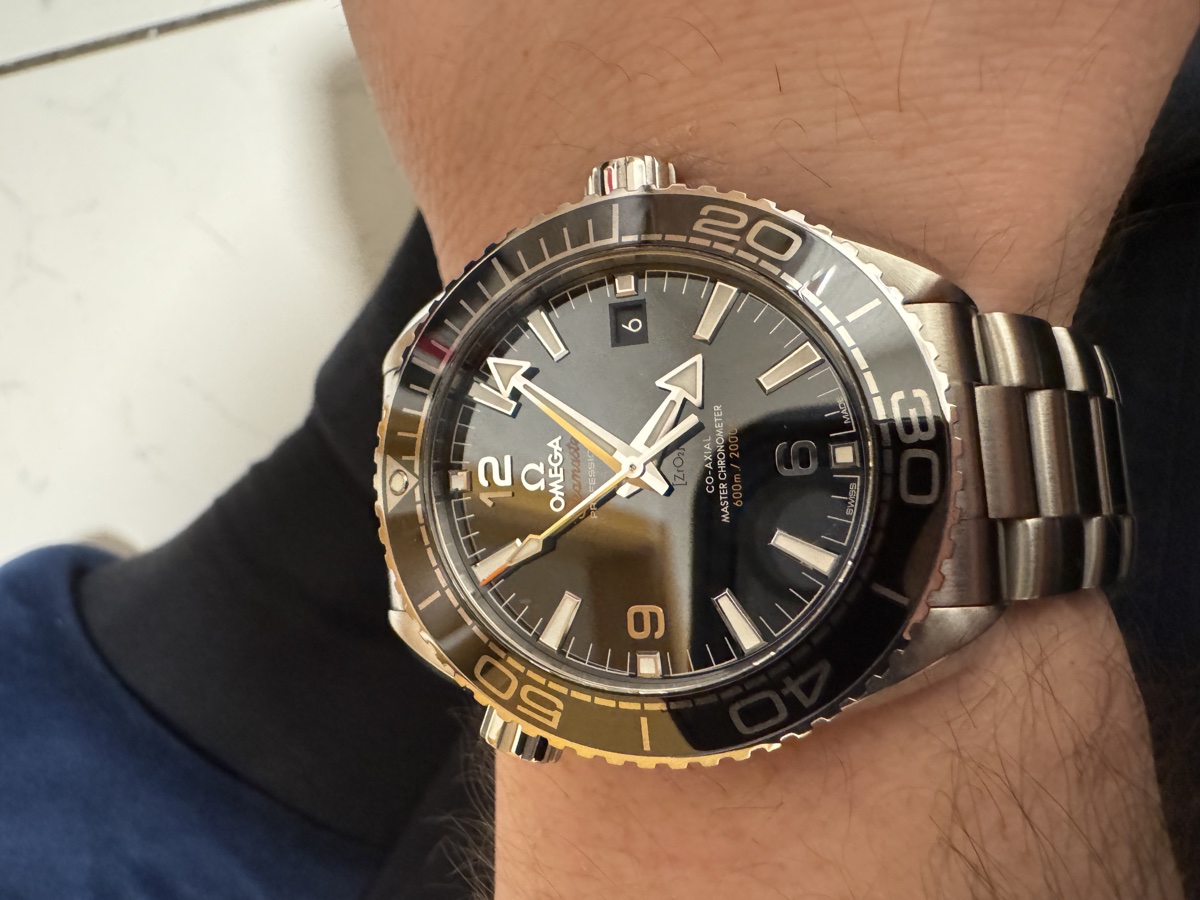
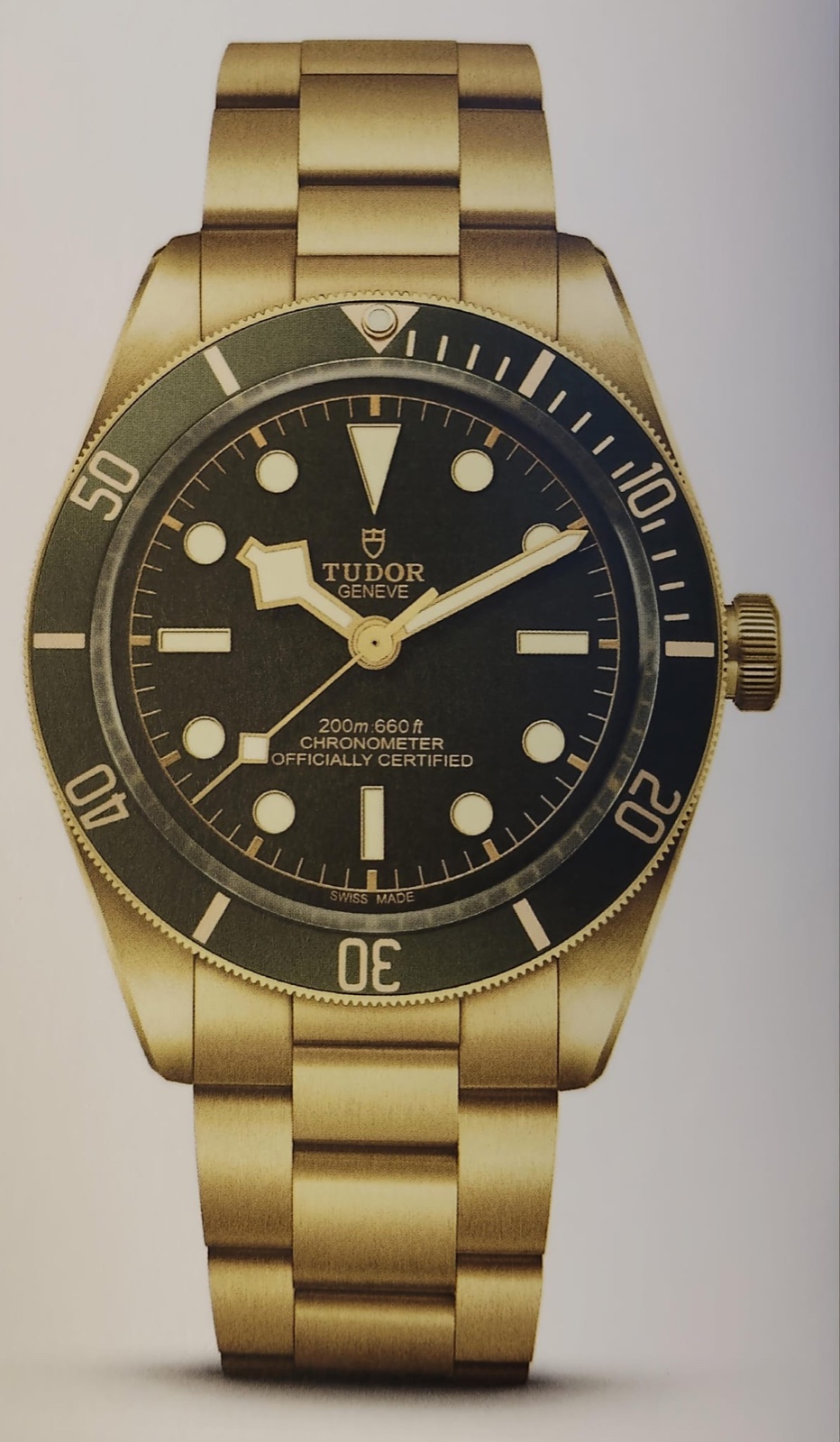
The broad arrow configuration is the collector-preferred expression of the Seamaster 300. The 2014 Heritage reissue and the 2017 60th Anniversary editions are modern references that reproduce this dial honestly without trying to pass as genuine vintage.
Omega shifted from the broad arrow to standard hands on later vintage Seamaster 300 production. The non-broad arrow examples are less sought but represent genuine vintage pieces at a lower entry point.
Live pricing is coming soon. Get notified when it is available for this reference.
The Seamaster 300 Heritage 41mm is Omega's modern interpretation of the 1957 CK 2913, sized up from the 39mm trilogy reference to give collectors a more wearable daily driver without sacrificing the period-correct details that make this line worth owning. Broad arrow hands, lollipop seconds, and a sector dial that reads like a proper tool watch make it one of the more honest vintage-inspired pieces in Omega's current catalog. The 15,000-gauss anti-magnetic rating via the Master Chronometer 8912 is a genuine functional upgrade, not a marketing footnote.
Omega launched the Seamaster 300 Heritage line in 2014 as part of the 1957 trilogy alongside the Railmaster and Speedmaster '57, with the first Heritage pieces in 39mm. The 41mm variant, ref. 234.30.41.21.01.001, arrived in the 2021 refresh with the co-axial Master Chronometer caliber 8912, replacing earlier movements across the Heritage range. The 8912 is a Naiad-crown-locked crown variant of the 8900 family, certified to METAS standards for magnetic resistance and accuracy.
Key design notes: aluminum bezel insert rather than ceramic, black dial with applied indices, and NATO strap as standard configuration. No lug holes in early references, which limits third-party strap options compared to the later bracelet variants.
The aluminum bezel insert scratches readily; inspect under good lighting for gouges and fading, particularly on the numerals at 3, 6, and 9. The sector dial's applied indices can show adhesive ghosting if the watch has been exposed to heat or humidity, so check each index with a loupe for lifting at the edges. Crown seals on the Naiad-lock system are durable but worth confirming on any pre-owned example, especially if the watch has dive history; ask for any water resistance test documentation.
The NATO strap hardware can wear the case back finish quickly, so look for strap-drag marks on case back corners as a signal the watch has been worn frequently and may have mileage the seller is downplaying. Confirm the METAS certification card and box set are present, as Omega issued complete documentation with these from new.
The 234.30.41.21.01.001 trades near retail on the secondary market, generally $4,000 to $4,800 USD for clean examples with box and papers. The bracelet variants of the Heritage line command a modest premium over NATO-only configurations because they are more versatile and harder to find in unworn condition. Black dial steel references move faster than any special editions in this reference family.
Omega's heavy retail presence keeps a ceiling on appreciation, so buy this because you want to wear it, not to flip it.
The caliber 8912 carries a recommended service interval of 5 to 8 years under normal wear conditions. Omega charges approximately $600 to $900 USD for a full service at an authorized service center, which includes movement overhaul, seal replacement, and water resistance testing. Independent watchmakers familiar with co-axial escapements can service the 8912, though finding one with METAS recertification capability requires going back to Omega if you want the certification restored after service.
Community + OSINT signals haven’t landed for this reference yet. We don’t publish a rating against zero signal — the number would mean nothing. Editorial body + caliber + market value still surface above; ratings appear once the signal corpus does.
The lollipop seconds hand is the single most important authentication point on the Seamaster 300 Heritage; any example with a standard baton seconds hand has the wrong hand set.
| Area | What to check | What is correct | Red flag |
|---|---|---|---|
| hands | Seconds hand profile | Lollipop seconds hand with circular tip, correct to the 1957-era design language | Standard baton or lance-shaped seconds hand; any seconds hand without the circular lollipop tip |
| caseback | METAS certification stamp | METAS logo engraved on caseback alongside Master Chronometer designation | No METAS stamp; caseback showing only COSC chronometer certification without METAS |
| dial | Sector brushing | Radial brushed sectors with crisp transitions between each sector, consistent depth |
| Printed sector lines, flat under raking light, or sectors with inconsistent depth |