Guilloché
Engine-turned geometric engraving on metal
What it is
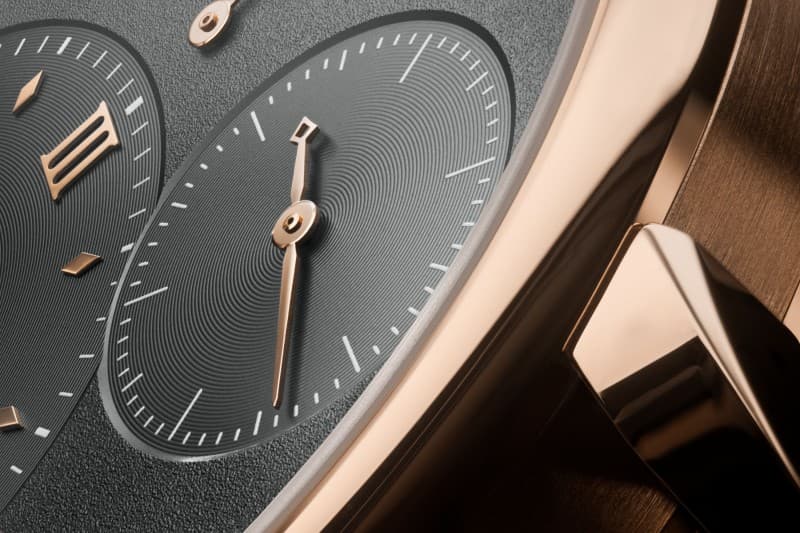
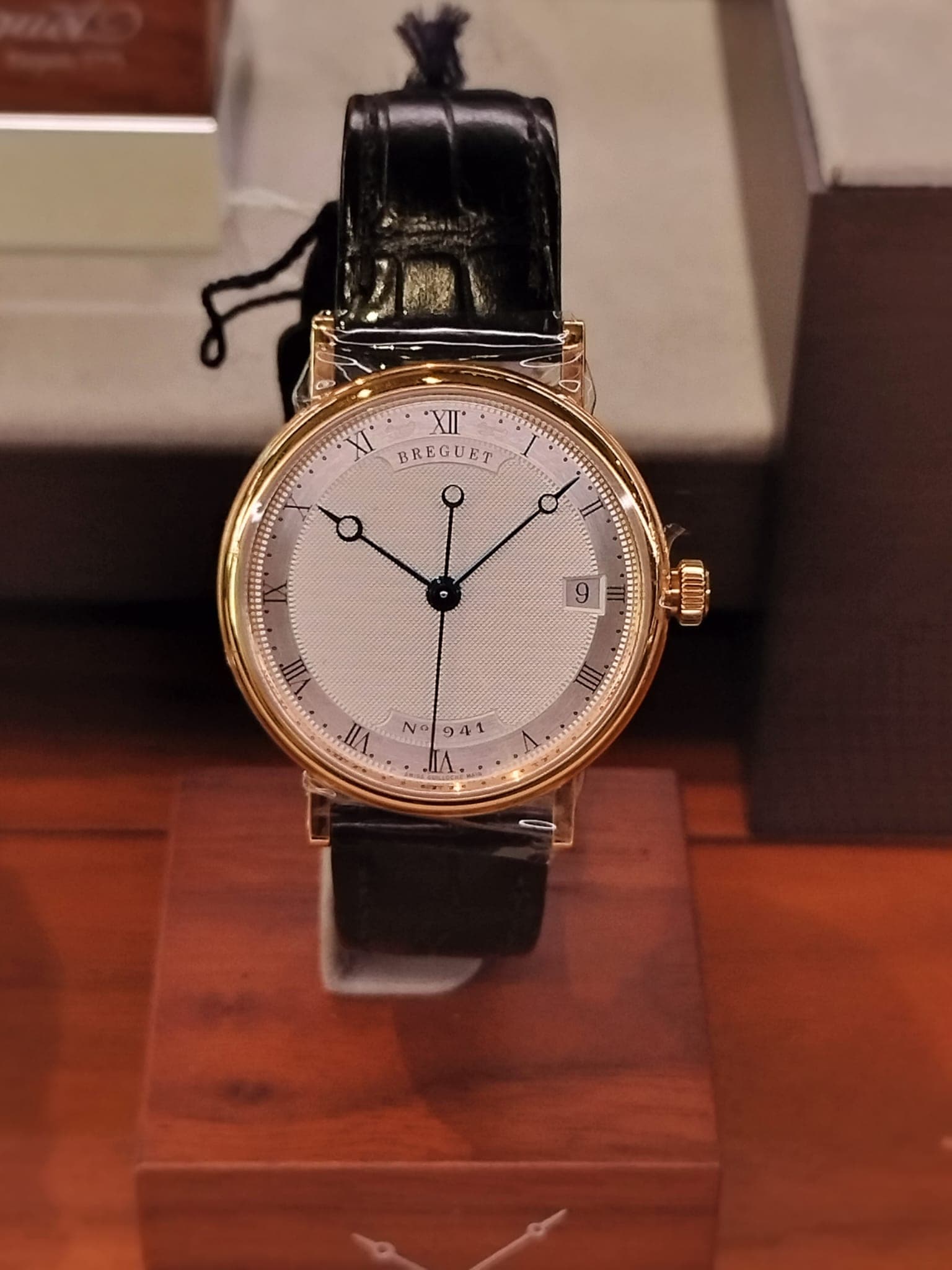
Guilloché is the technique of engraving a precise, repeating geometric pattern into a metal surface; typically a dial, rotor, or case component; using a specialised lathe. The resulting texture creates complex light play across the surface as the viewing angle changes. Hobnail (Clous de Paris), waves (Côtes de Genève), barley, and sunray are the most recognised patterns.
History
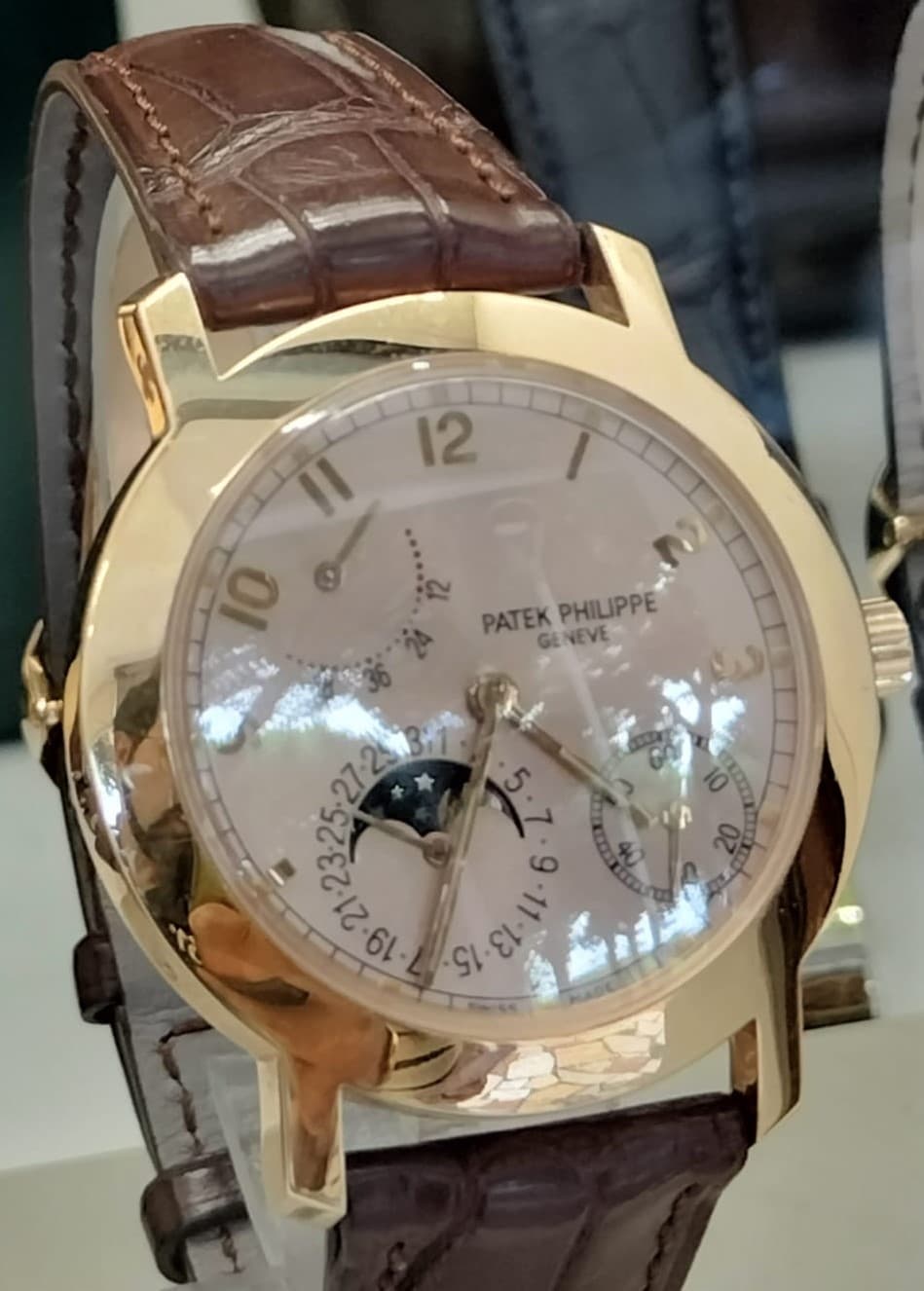
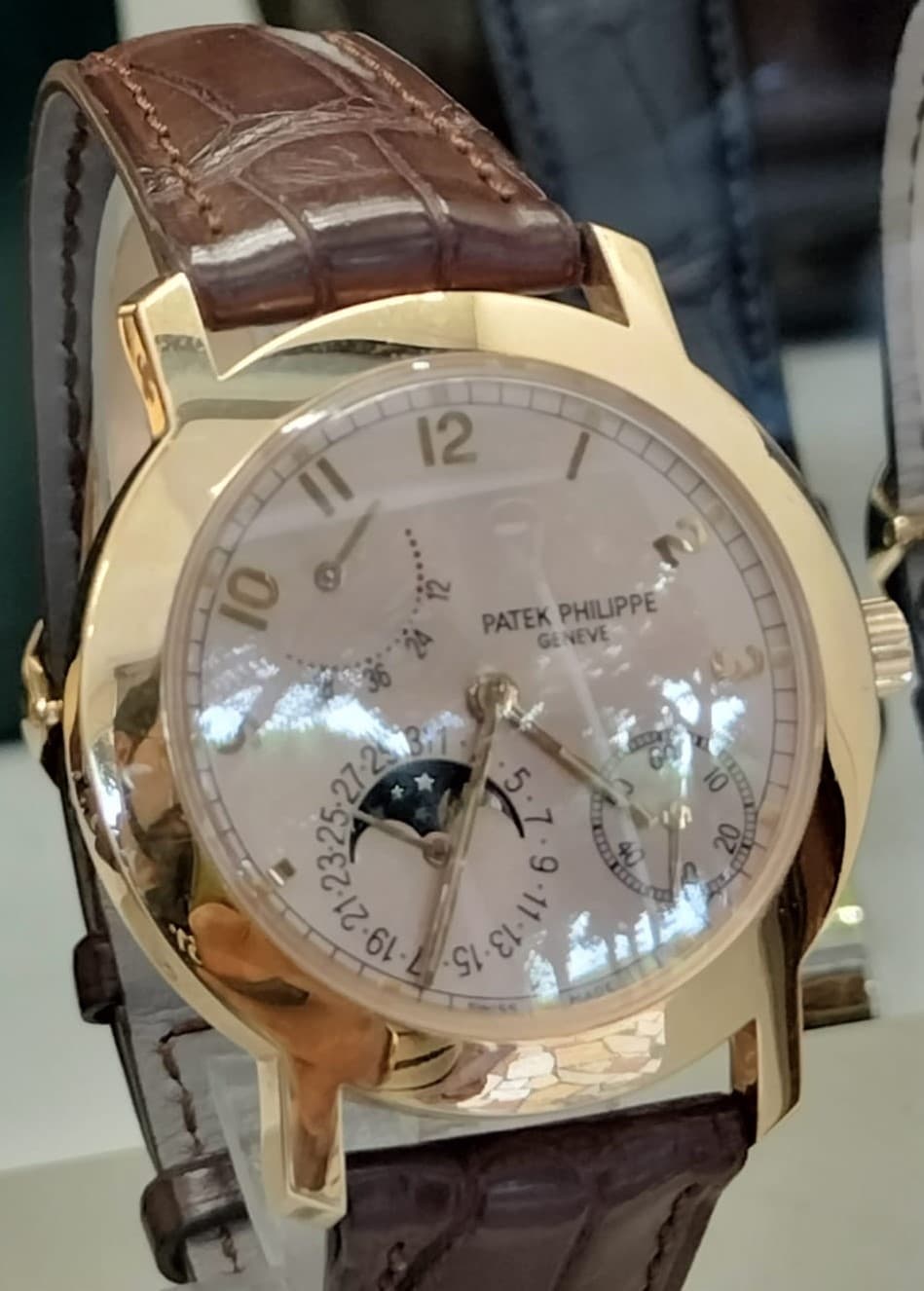
The technique takes its name from the French engineer Guillot, though engine-turning machinery existed in various forms since the 17th century. In watchmaking, guilloché became the defining surface treatment of the Geneva school from the late 18th century onward: Breguet, Patek Philippe, and Vacheron Constantin all used it extensively on pocket-watch dials and cuvettes. The rose engine latte; a rotating eccentric cam-driven machine; is the traditional tool; a skilled operator can spend 20–40 hours on a single dial. Cartier built its modern identity partly on Clous de Paris guilloché; AP's Tapisserie; the basketweave pattern on the Royal Oak dial; is one of the most recognised guilloché designs of the modern era. CNC machines can now approximate guilloché mechanically, but the tool marks differ from hand-engine-turned work under magnification.
How it's done
A traditional rose engine lathe uses a rotating spindle with an eccentric cam (the "rose") that imparts a regular back-and-forth lateral motion as the workpiece rotates. A fixed cutting tool engraves the surface in a continuous path that never exactly repeats, building up a pattern of fine overlapping arcs. Changing the rose cam changes the pattern. The depth and spacing of each pass are controlled by the operator manually, which is why human-made guilloché has subtle variation that no two pieces match exactly. Modern CNC guilloché uses a multi-axis milling machine following a programmed path; the result is consistent but lacks the variation of the hand-turned version.