Bluing
Heat-treating steel to a vivid deep blue
What it is
Bluing is the controlled thermal oxidation of polished steel: the part is heated until a thin oxide layer forms on the surface, turning it a deep cobalt or steel blue. The colour is a function of the oxide layer's exact thickness, which in turn depends on the temperature and duration of heating. The technique is applied to screws, hands, and spring components in fine movements. Because the blue oxide is completely transparent, any surface defect or polishing scratch that was invisible on bare steel becomes starkly visible on the blued part.
History
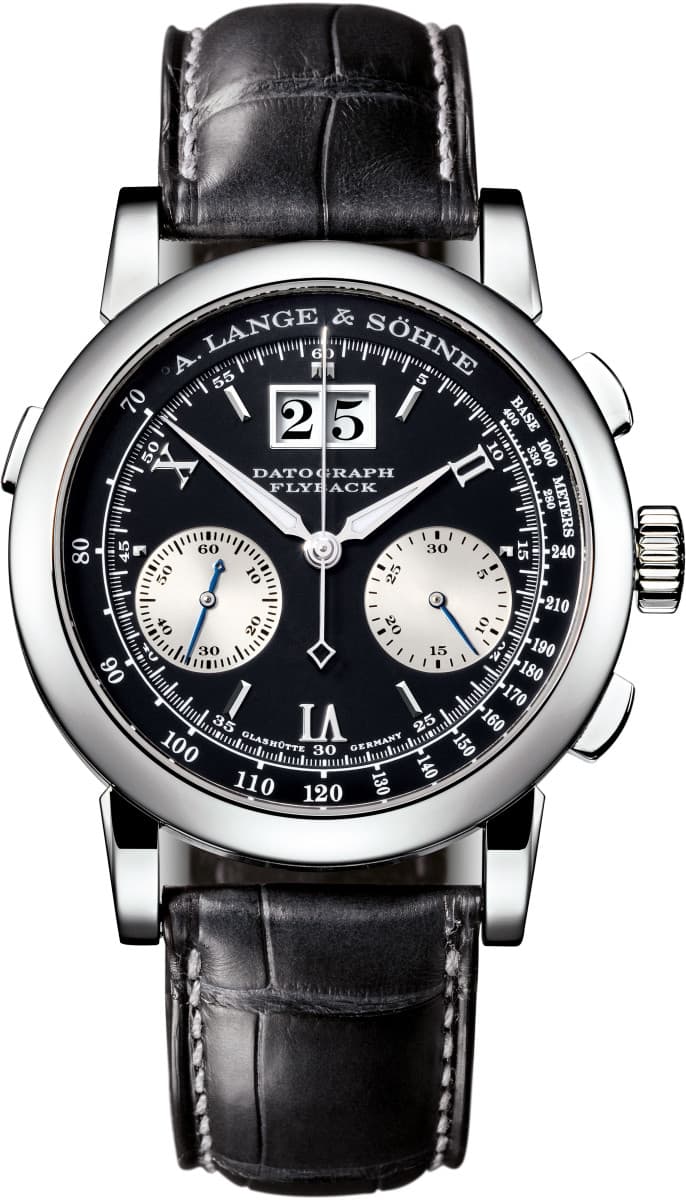
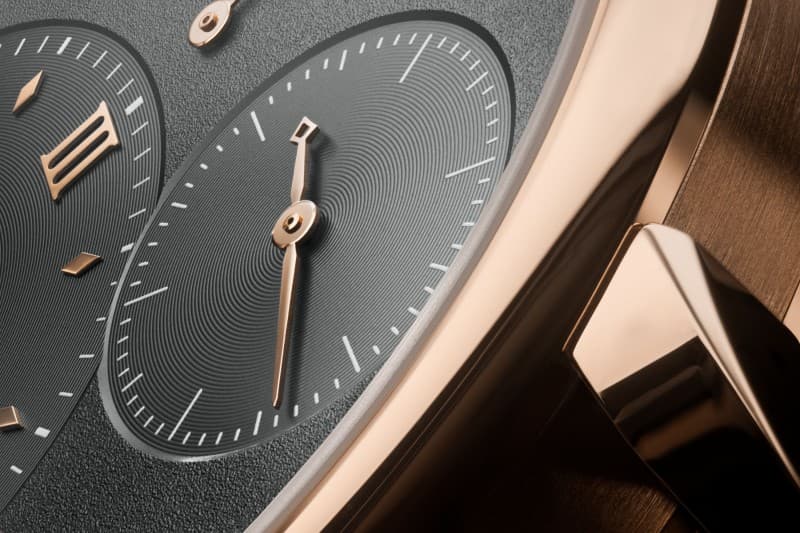
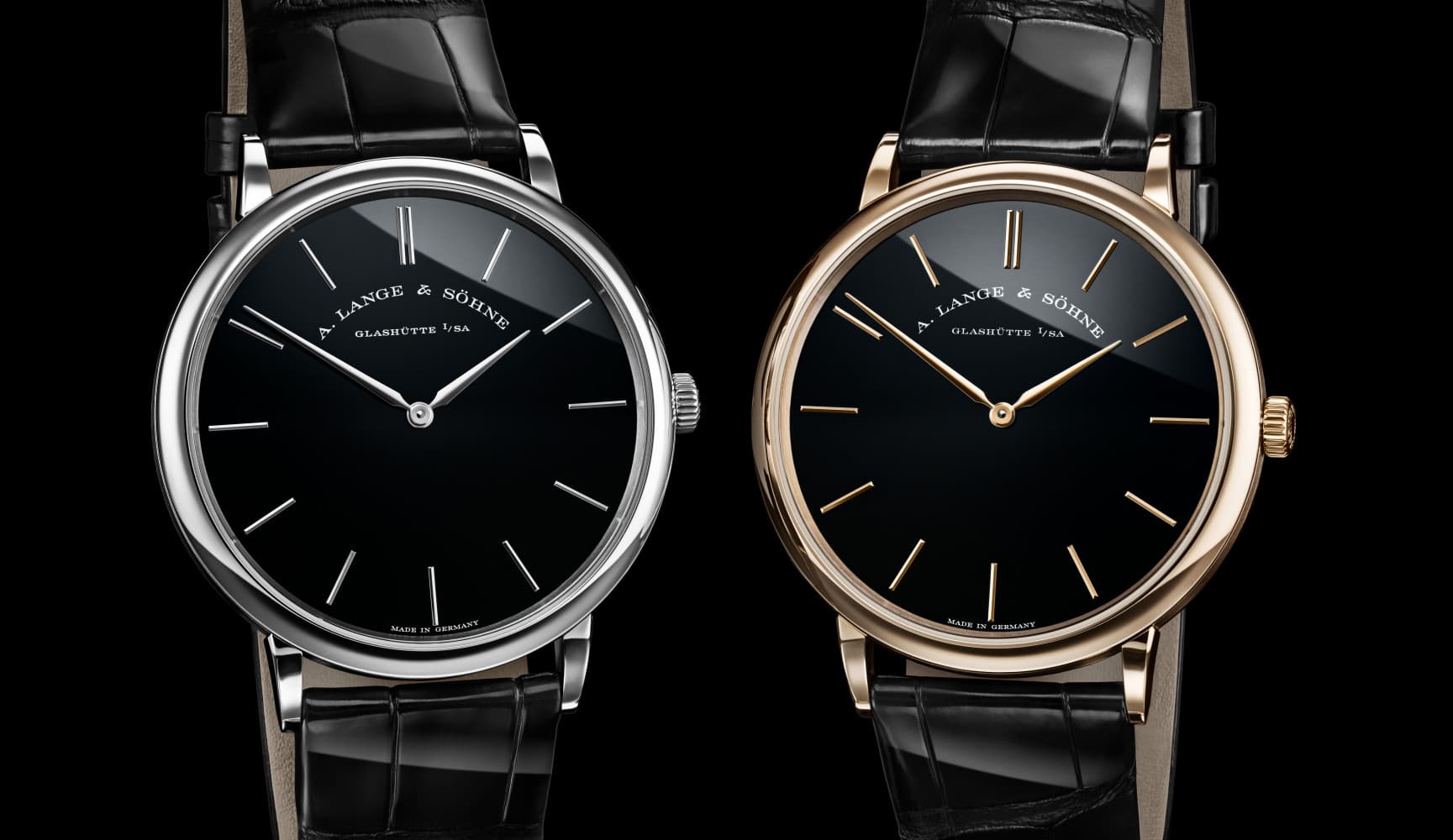
Blued screws have appeared in fine Swiss and German movements since the 18th century. A. Lange & Söhne blued every screw in their movements from the brand's re-founding in 1994; the Lange 1's blued screws became one of the most recognisable brand signatures in contemporary watchmaking. Blued hands appear on some Patek Philippe and Vacheron Constantin dress pieces, where the blue reads as a colour accent against a silver or white dial. Chemical bluing; using selenium dioxide or other oxidising solutions; is faster and more consistent than thermal bluing but produces a different surface character: the chemical process creates a slightly matte, darker blue without the light-reactive depth of the thermally-produced oxide. Collectors and movement assessors distinguish the two readily.
How it's done
The polished steel part is placed on a brass plate or held in a brass tweezer and heated over an open flame or in a precision oven. At approximately 275 to 295 degrees Celsius, the thin oxide layer begins to form; the colour transitions in sequence from pale yellow through straw, golden brown, purple, and finally blue. The craftsman removes the part from the heat source the instant the target blue appears and either quenches it or allows it to cool in still air. The heating must be even across the entire surface to produce a uniform colour; any hot-spot produces a patchy or locally-advanced oxide. Because the blue oxide amplifies every surface imperfection, the part must be mirror-polished to a flawless standard before bluing begins.
In the catalog
Related
- Mirror polishing: Producing an optically flat, reflective surface on steel
- Anglage: Beveling and polishing the edges of movement parts