Live pricing is coming soon. Get notified when it is available for this reference.
The Altiplano Automatic 38mm exists because Piaget spent sixty years asking how thin a movement could actually get. The 1200P caliber answers that question at 2.35mm, making the entire watch 5.25mm thick , a number that sounds made up until you hold one. Rose gold, 38mm, and genuinely flat: this is what ultra-thin looks like when a manufacture has been doing nothing else for generations.
Piaget began making ultra-thin movements in 1957 with the 9P caliber, a manual-wind movement that was 2mm thick and changed what watchmakers thought was possible. The automatic version of that pursuit took decades longer because a rotor adds height, and on a movement this thin, every tenth of a millimeter is a design problem. The 1200P, introduced in 2010, solved it by integrating the rotor into the movement architecture rather than stacking it on top, arriving at 2.35mm for an automatic movement.
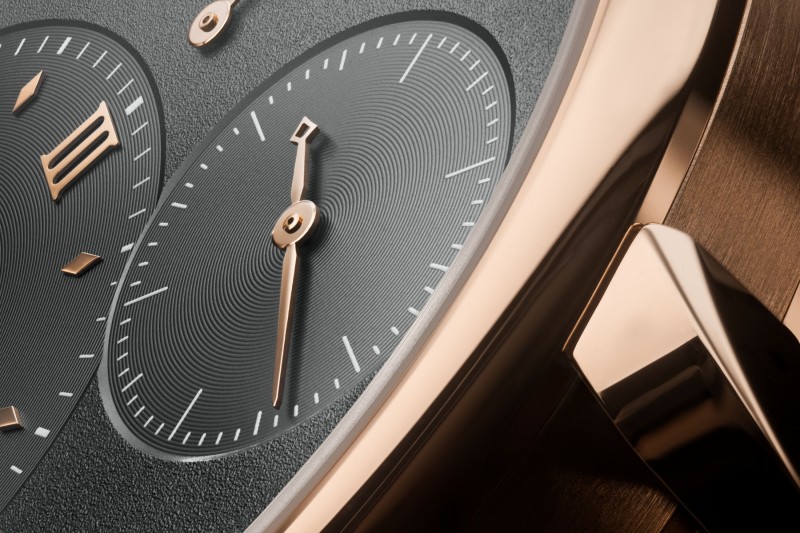
The G0A39112 puts that caliber in a 38mm rose gold case and keeps the dial spare enough that the thinness reads immediately from across a room. It sits in a long line of Altiplano references, but the 1200P is the one that closed the chapter on what Piaget set out to prove in the 1950s.
Twenty meters of water resistance is the number to take seriously. Piaget states it, but in practice this watch is not for rain, hand-washing, or any situation where water is plausible. The case and crystal at 5.25mm total means there is very little margin for error in the gasket geometry.
Rose gold scratches and develops a patina faster than steel or platinum, so buyers who want a pristine look need to budget for polishing or accept the wear. The 1200P is a fragile caliber by design: thinness and robustness pull in opposite directions, and Piaget chose thinness. Drops and shocks are a genuine concern.
Pre-owned examples should be examined carefully for case damage and crystal chips, which are expensive to address at authorized service.
The G0A39112 trades in a range that reflects both the rose gold material and Piaget's position as one of the few manufactures that genuinely owns its ultra-thin heritage. Retail was in the mid-to-high teens (USD) at launch; pre-owned examples in good condition typically come in below that but not dramatically so, because condition on a rose gold case this thin matters enormously to buyers. It is not a watch that appreciates, but it holds reasonably well for dress-watch category jewelry-metal pieces.
Compare to the Octo Finissimo for a different aesthetic at similar thinness, but the Altiplano is the original argument.
The 1200P requires a manufacture-trained watchmaker. The movement is thin enough that incorrect technique during disassembly will damage components that are not individually replaceable from standard parts suppliers. Piaget boutiques and their authorized service network are the right first call; expect longer turnaround times than a volume service center and costs that reflect the complexity.
Community + OSINT signals haven’t landed for this reference yet. We don’t publish a rating against zero signal — the number would mean nothing. Editorial body + caliber + market value still surface above; ratings appear once the signal corpus does.
Cal. 1200P at 2.35mm is the thinnest automatic movement in production; crown seating and gasket integrity are critical on this ultra-thin case.
| Area | What to check | What is correct | Red flag |
|---|---|---|---|
| crown | Crown seating flush with case | Crown sits perfectly flush with the case side at rest; no proud seating or angular misalignment | Crown that sits proud of the case or at any angle; visible gap between crown and case indicates gasket failure |
| crystal | Sapphire crystal seating | Crystal is perfectly seated with no visible gap at the bezel; no chip or crack at any edge | Crystal with visible gap at seating; any chip especially near the crystal edge where ultra-thin cases are most vulnerable |
| movement | Cal. 1200P via caseback | Exhibition caseback showing Cal. 1200P at 2.35mm height; Piaget decoration visible on rotor and bridges |
Service intervals of five to seven years are reasonable under normal wear conditions.
| Non-Piaget movement; any movement with a visible thickness greater than 2.35mm; solid caseback on exhibition-spec model |