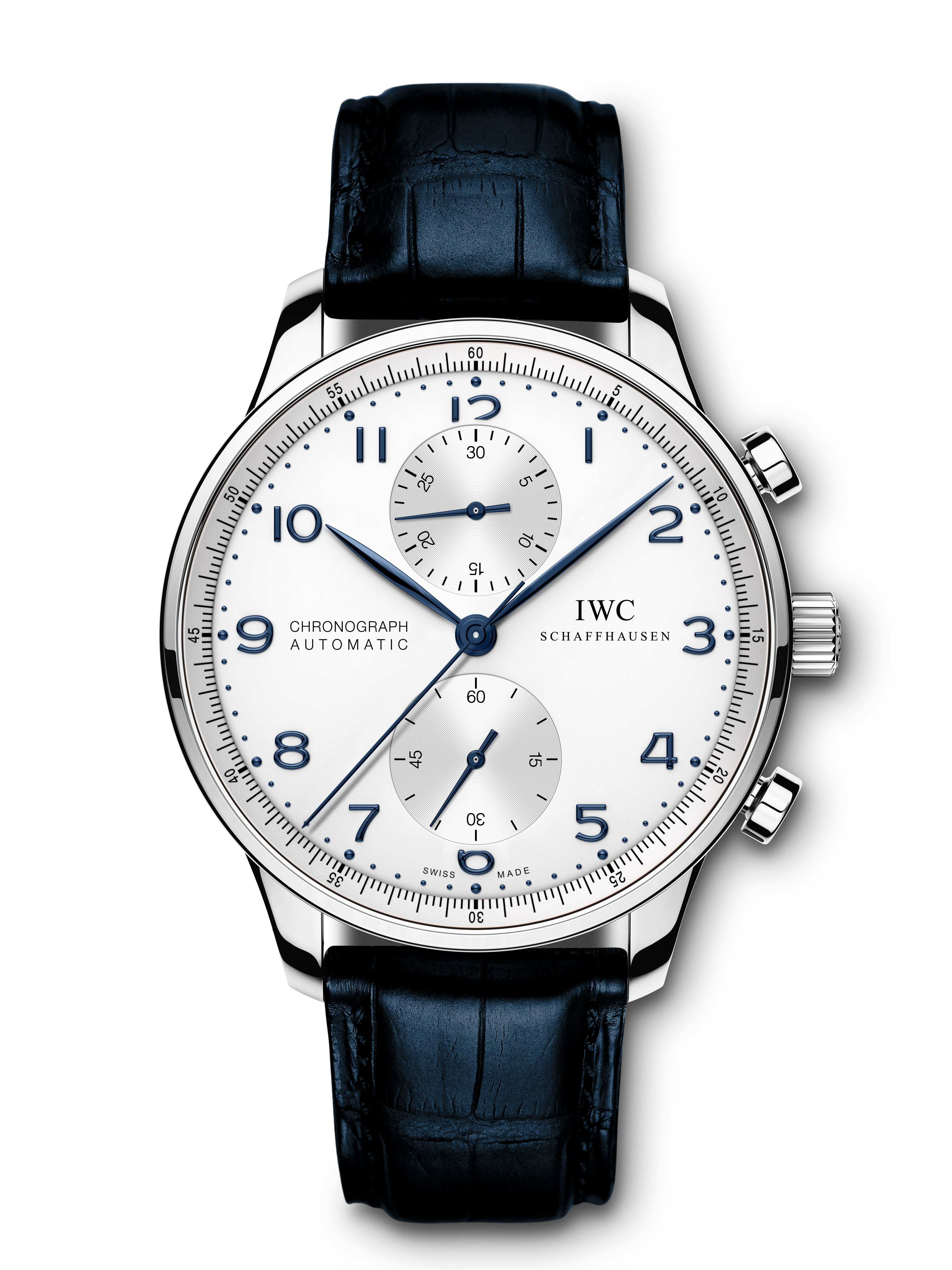
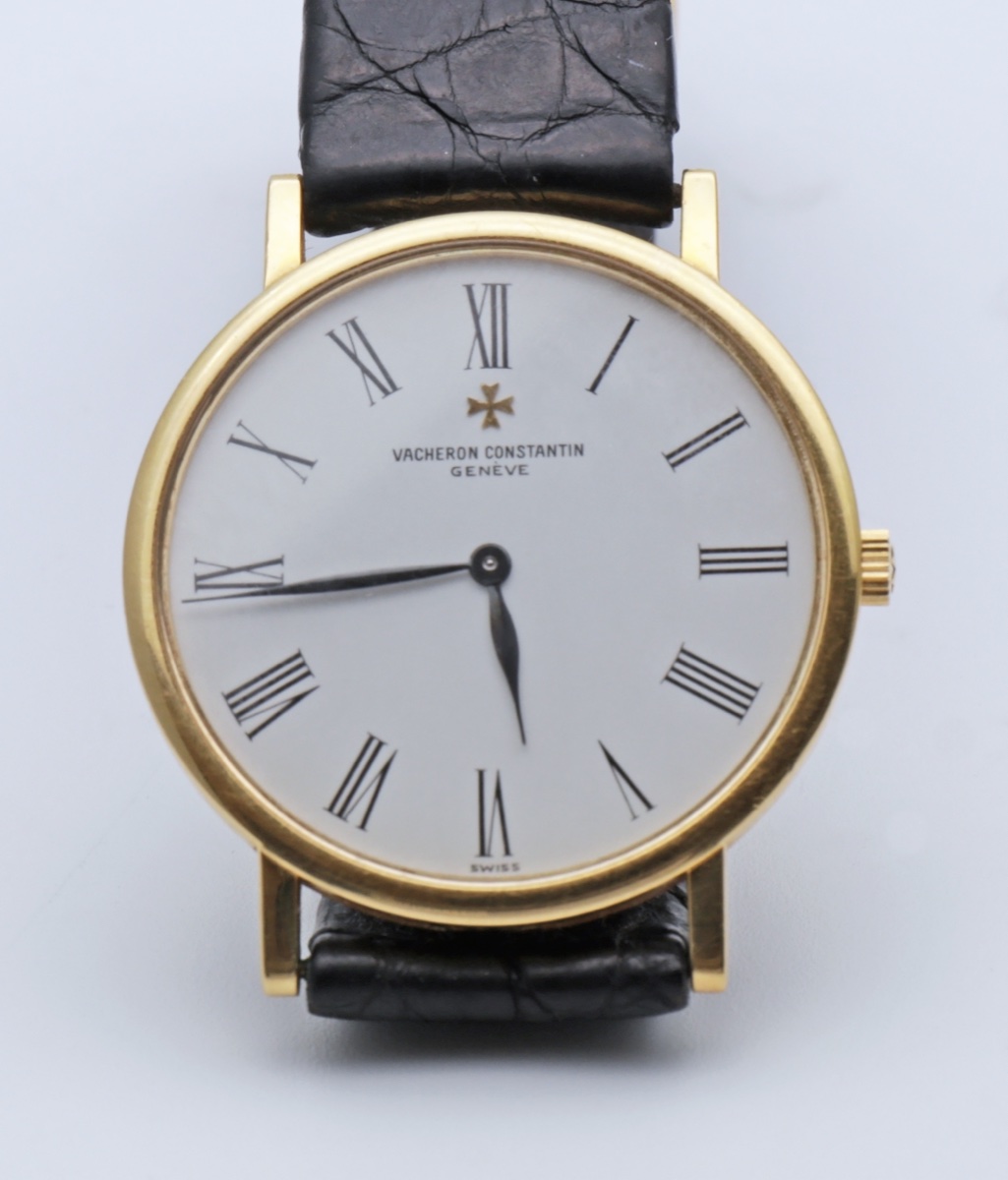
The Centigraphe Souverain measures elapsed time to 1/100th of a second using a mechanical counter; it occupies a niche that no other maker fills and secondary prices are supported by its unique function.
Editorial estimate. Actual prices vary by condition, date, and box/papers status. Live pricing data is in development.
The Centigraphe Souverain does something no other mechanical watch does: it measures elapsed time to 1/100th of a second using a purely mechanical oscillator running at 6Hz. That third hand sweeping the dial is not decoration. It is the result of Journe solving a problem most watchmakers never attempted.
F.P. Journe introduced the Centigraphe Souverain in 2007 as a deliberate challenge to the limits of mechanical chronography. The 1/100th-of-a-second complication had existed in pocket watches driven by large mainsprings, but miniaturizing it into a 40mm wristwatch required Journe's team to engineer Calibre 1506 from scratch.
The three-register layout keeps the dial legible despite the density of information it carries. Rose gold was the original case material at launch, positioning the piece firmly in Journe's luxury sport segment rather than as a tool watch. It remains in production today, which is unusual for a complication of this technical ambition.
The 6Hz oscillator places significant wear on the escapement and lever components, so service intervals matter more here than on a conventional chronograph. Used examples without documented service history should be approached with caution, particularly if the centigraphe hand feels sluggish or irregular when the chronograph is running. The hand-wound Calibre 1506 has no rotor, so sellers describing a "self-winding" CTS have misidentified the watch.
Dial condition is critical: the lacquered registers show wear under ultraviolet light before it is visible to the naked eye, and refinished dials exist in the market. Verify the case back engraving matches the movement number before purchasing any pre-owned example.
New CTS pricing sits above most Swiss manufacture chronographs, reflecting both Journe's boutique production volumes and the complexity of Calibre 1506. The pre-owned market is thin relative to demand, so patience is required for a well-documented example at a fair price. Rose gold cases show more variation in condition than steel, so any scratches or polishing on the lugs will affect resale significantly.
Service intervals for Calibre 1506 are recommended every five to seven years given the elevated stress on components from the 6Hz centigraphe function. F.P. Journe's authorized service network is limited, so confirm the availability of a trained technician before purchasing if you are outside a major market.
Expect a full service to include inspection of the column wheel, lever, and centigraphe coupling in addition to standard movement work.
Community + OSINT signals haven’t landed for this reference yet. We don’t publish a rating against zero signal — the number would mean nothing. Editorial body + caliber + market value still surface above; ratings appear once the signal corpus does.
Centisecond hand completing one full revolution per second; no standard chronograph can replicate this
| Area | What to check | What is correct | Red flag |
|---|---|---|---|
| dial | Three-register centisecond layout | Large centisecond sub-dial measuring 0-100 hundredths; minutes counter; running seconds (suppressed during chrono operation); three separate pushers on case; "Centigraphe" engraved on dial | Two-pusher layout; sub-dial that moves at 1-second intervals instead of 100x faster centisecond sweep; missing register |
| movement | Calibre 1506 centisecond mechanism | Centisecond hand completes one revolution per second; calibre 1506 signed; movement decorated to FPJ standard; column wheel visible; three independent pusher mechanisms | Centisecond hand at wrong speed; standard lever-set chronograph without centisecond function; incorrect calibre designation |
| case |
| Three-pusher case and crown |
| 42mm diameter; three pushers at 2, 4, and 10 o'clock; crown at 12; case material consistent with documented variant |
| Two pushers only; crown at 3; incorrect pusher placement |