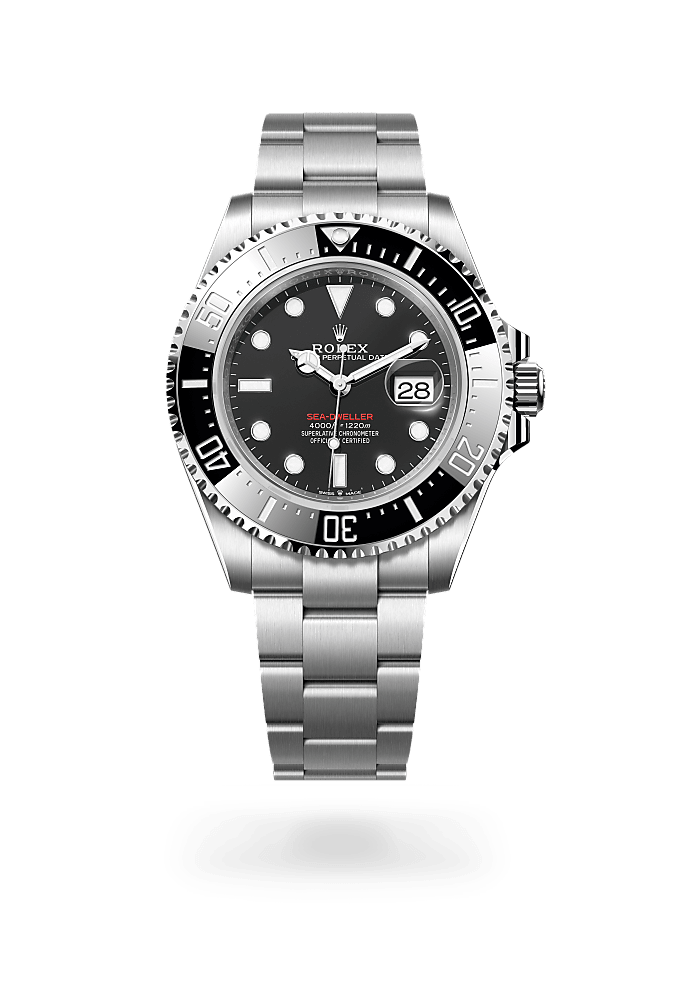
Live pricing is coming soon. Get notified when it is available for this reference.
The SRP777 is the blue-dial Turtle that spent years as the default answer whenever someone asked for an honest sub-$400 diver. The barrel-shaped case is unmistakable, the 200m rating is genuine, and Seiko built it to be worn, not babied.
Seiko revived the Turtle name in 2016, drawing directly from the 6309 diver that ran from 1976 through the 1980s. That original earned its nickname from the distinctive cushion case, wide lugs, and rounded profile that reads wider than its depth suggests. The SRP777J1 arrived as a J-spec variant, assembled in Japan rather than on the overseas lines, and the blue dial quickly made it the most-recommended model in the line.
It filled a genuine gap: a full-size professional diver with a pedigree case shape, sold new at a price where scratching it during a beach trip is not a tragedy.
The 4R36 movement hacks but does not hand-wind, which is a real limitation if you like setting the watch precisely before putting it on. Accuracy runs around plus-or-minus 15 seconds per day, sometimes worse on weaker specimens; budget for a regulation or buy from a seller who has measured it. The case at 45mm with the cushion geometry wears larger than the lug-to-lug suggests, and short wrists under about 17cm will struggle with fit.
Lume on the dial and hands is solid, but the chapter ring lume plots are small and dim compared to tool divers at higher price points. Finally, the bracelet on earlier production runs is thin and rattly; a rubber or NATO strap is the correct immediate upgrade.
New SRP777J1 examples have become harder to find as Seiko rotates the Turtle lineup, and grey-market prices have drifted above the original retail in some markets. Used specimens in worn but functional condition trade in the $200-280 range; dial condition and bracelet stretch drive most of the spread. The SRP779 (black dial) runs a touch cheaper than the blue if budget is tight.
The 4R36 is a straightforward three-hand automatic with date, descended from the 7S36 lineage and serviced by most independent watchmakers without special tooling. Service intervals of 5-7 years are appropriate for a watch used in the water regularly. Parts availability is good and Seiko's global service network can handle it if you prefer an OEM service.
Community + OSINT signals haven’t landed for this reference yet. We don’t publish a rating against zero signal — the number would mean nothing. Editorial body + caliber + market value still surface above; ratings appear once the signal corpus does.
Low counterfeit risk at its original price point, but grey-market examples with swapped dials and bezel inserts are common.
| Area | What to check | What is correct | Red flag |
|---|---|---|---|
| case | Matte black bezel insert | Insert is uniformly matte black with no gloss patches; lume pip at 12 is present and white; minute graduations are crisp | Glossy or semi-gloss bezel insert; wrong colour (navy or grey instead of black); pip absent or incorrect shape |
| dial | Blue dial with "Save the Ocean" text | Dial is deep blue with "Save the Ocean" text; "PROSPEX" below 12; "200m" depth rating; applied indices with lume fill | Text absent or positioned differently from the original; dial colour does not match the deep navy-blue of SRP777; indices that are printed not applied |
| case |
| 44mm cushion case finishing |
| Case has the distinctive cushion shape (Turtle); brushed surfaces with polished case sides; case is 44mm diameter; crown at 4 o'clock with crown guard |
| Polished case top (should be brushed); case diameter significantly different from 44mm; crown guard absent |
| caseback | Exhibition caseback with Cal. 4R36 | Cal. 4R36 visible through exhibition caseback; caseback exterior engraved with model text and 200m rating; serial on case side | Movement other than 4R36; solid (non-exhibition) caseback on a claimed exhibition variant |