Live pricing is coming soon. Get notified when it is available for this reference.
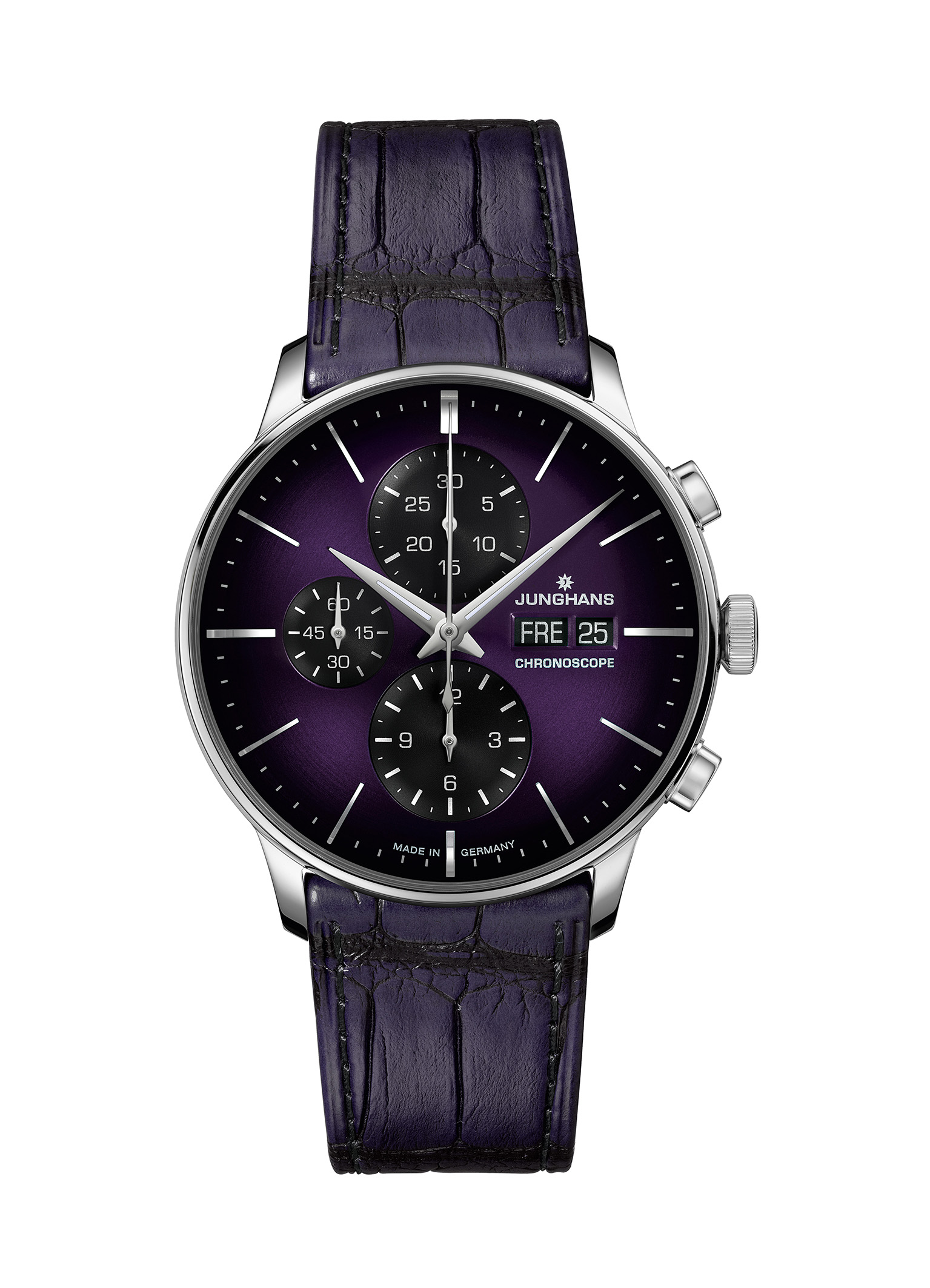
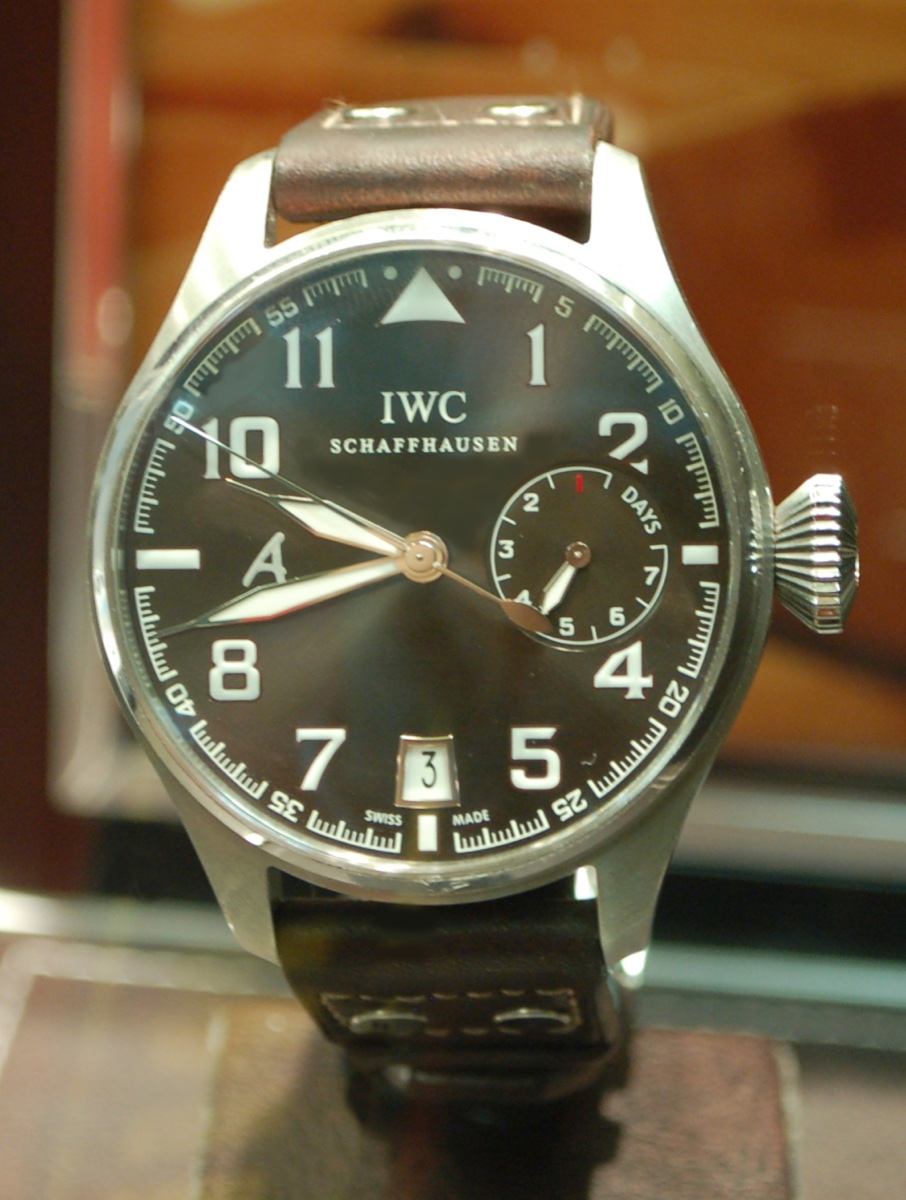
The Meister Pilot Chronoscope is Junghans making a serious case for German pilot watches at a price point well below the usual suspects. At 43.3mm it wears big, the dial is genuinely legible, and the aviation layout is functional rather than decorative. This is a chronograph built to be read, not admired from across the room.
Junghans introduced the Meister Pilot Chronoscope in 2014 as part of the broader Meister revival the brand had been building since the Biel period. The watch draws on Junghans' postwar aviation heritage, particularly the Bundeswehr-era pilot pieces the brand supplied to the German military in the 1960s and 1970s. The Arabic numeral dial, large central seconds hand, and subdial layout are direct references to that functional tradition rather than stylistic invention.
Where many pilot chronographs from this era leaned into heritage marketing, Junghans kept the Chronoscope specification honest: steel case, column wheel chronograph, no ceramic bezel theater. It sits in the catalog today essentially unchanged from launch, which says something about how well the design landed.
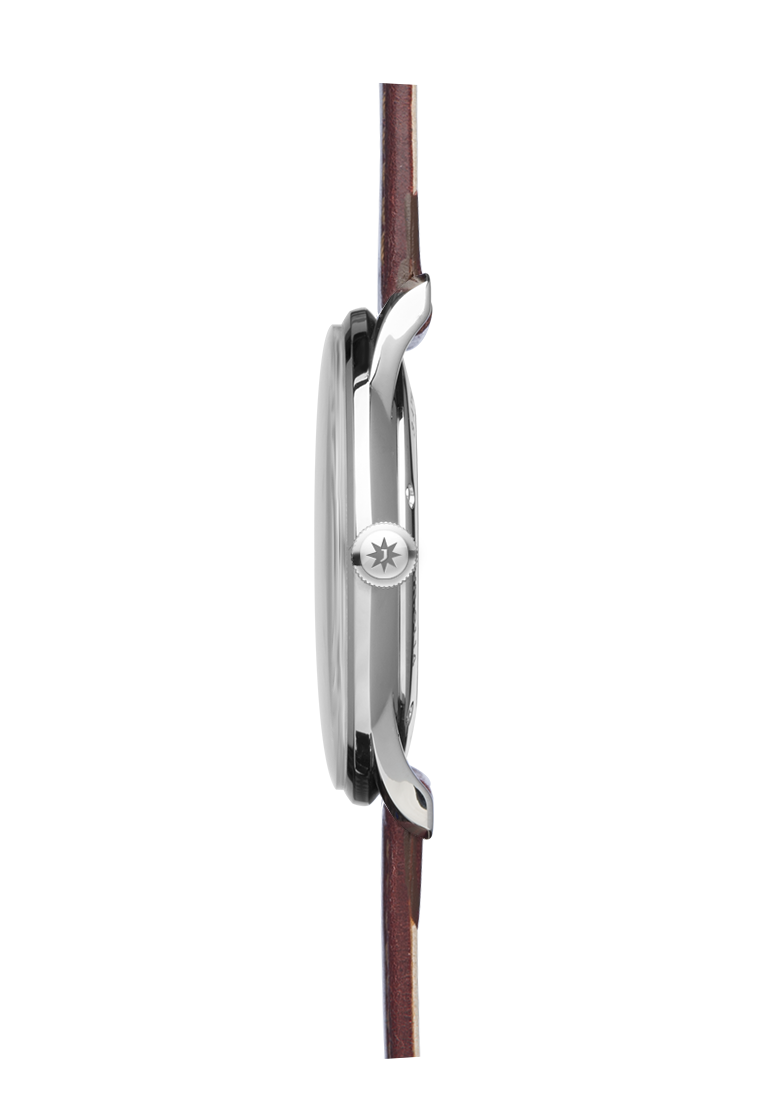
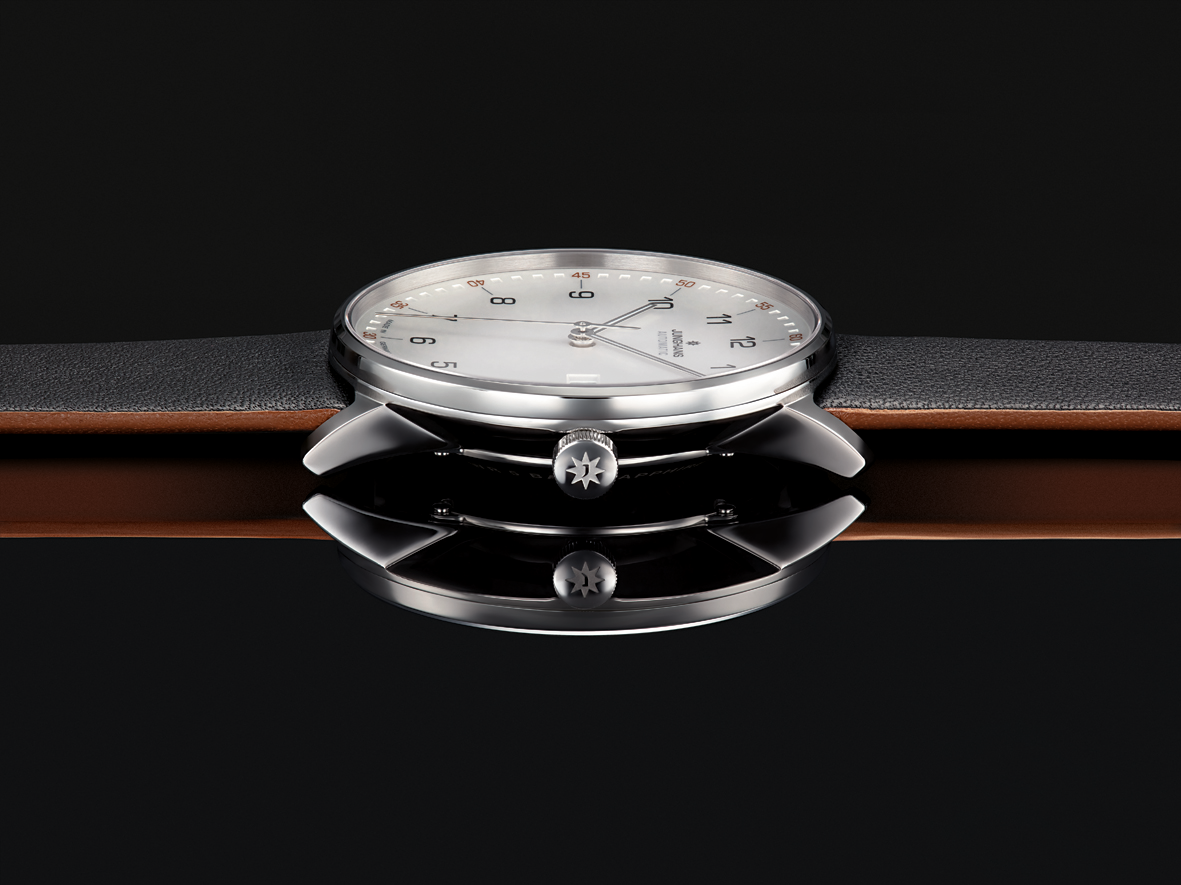
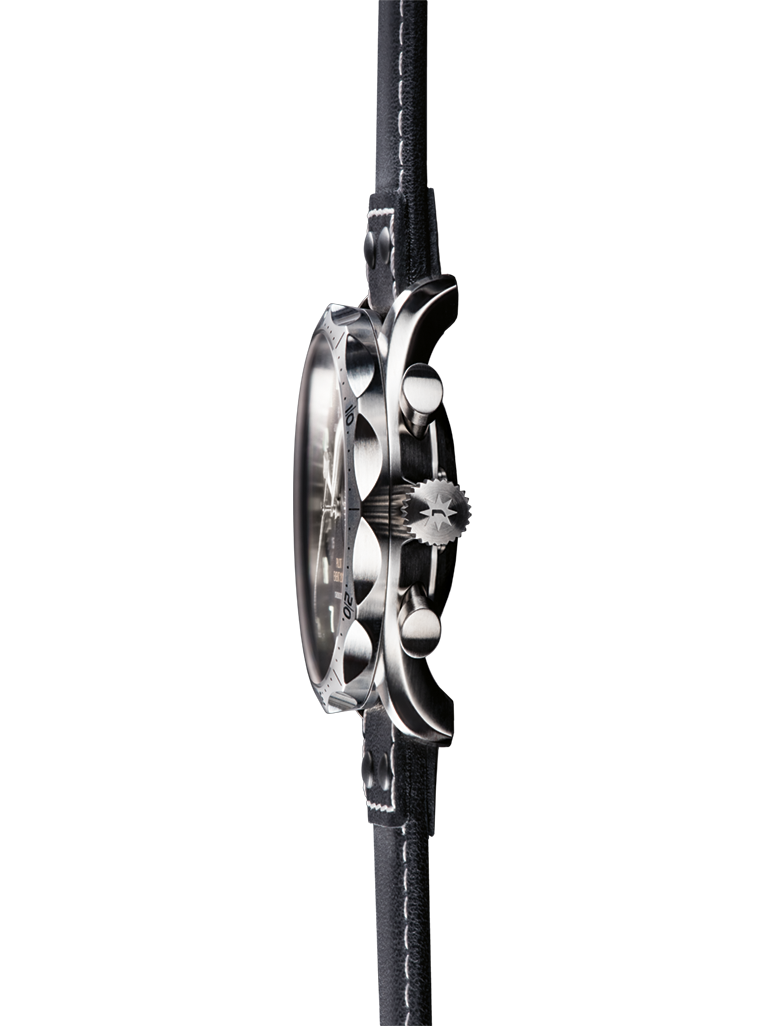
The 43.3mm case is genuinely large and the lug-to-lug is proportional to match, so buyers with smaller wrists should try this one on before committing. The J880.4 is a Valjoux 7750 base, which means the movement sits at a 12-degree tilt in the case to position the crown correctly , this is standard practice for the 7750 and not a defect, but it does mean the rotor is offset and some buyers are surprised when they first see it. Junghans' boutique and authorized dealer network outside Germany is thin, so pre-purchase service access is worth researching for your region.
The black dial variant shows smudges and fingerprints more readily than you might expect given the matte finish. Lume application is adequate but not generous; this is not a dive watch, and low-light legibility reflects that.
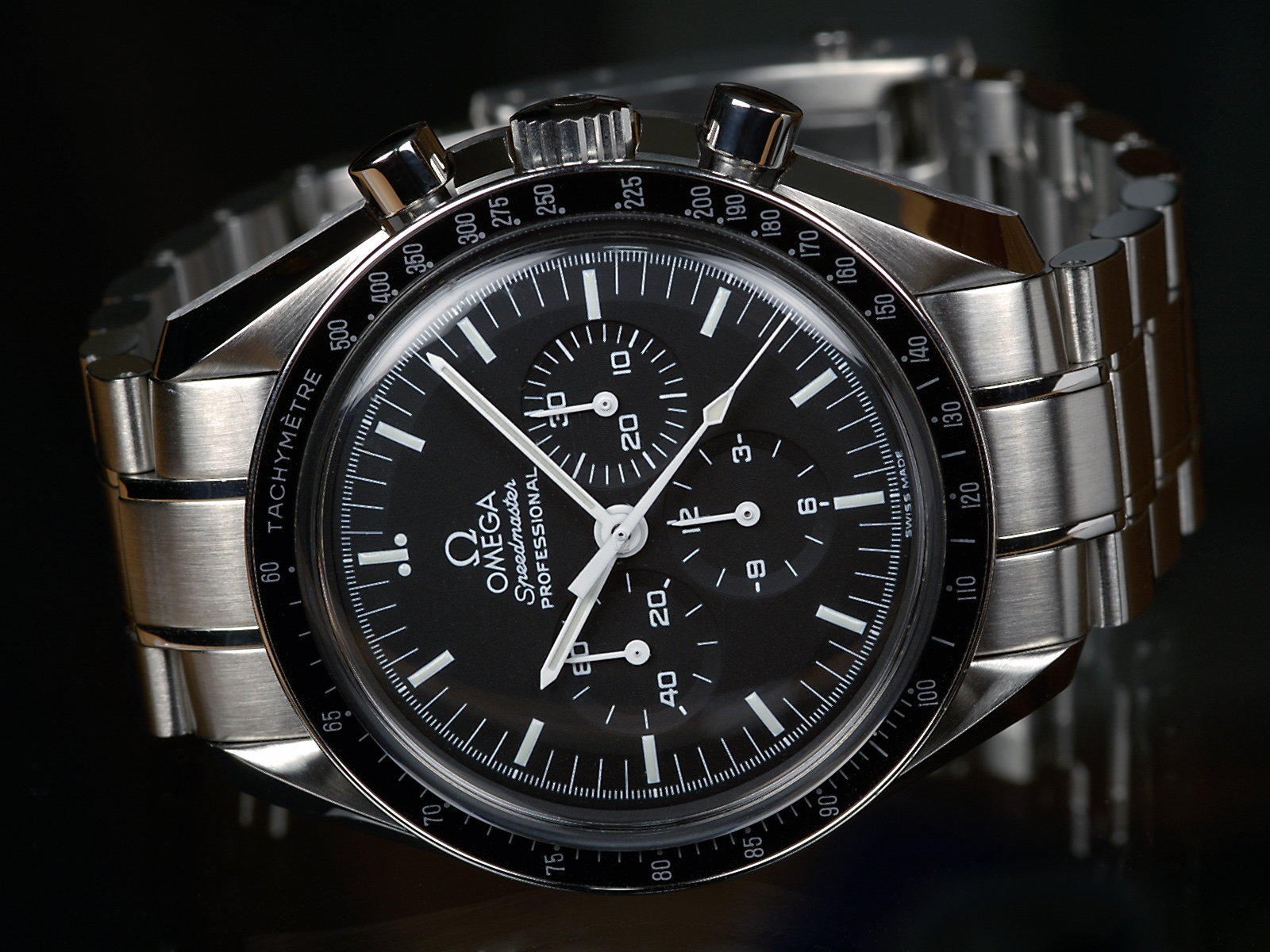
Gray market pricing on the Chronoscope runs meaningfully below retail, making it a reasonable entry into German-made pilot chronographs for buyers who want the look without the Sinn premium. Sinn 756 comparisons are inevitable and worth taking seriously: both use the 7750, both are built in Germany, and the price gap between them at retail is smaller than it used to be. The Junghans wins on dial design and brand story for some buyers; the Sinn wins on case finishing and service infrastructure for others.
Resale is modest but stable.
The J880.4 caliber is a Valjoux 7750 derivative, one of the most widely serviced column-wheel chronograph movements in the world. Any watchmaker competent with the 7750 can service this watch, and parts availability is excellent. Junghans recommends service intervals of around five years, which is conservative for a well-regulated 7750.
Community + OSINT signals haven’t landed for this reference yet. We don’t publish a rating against zero signal — the number would mean nothing. Editorial body + caliber + market value still surface above; ratings appear once the signal corpus does.
Anti-reflective crystal coating must be intact; a degraded coating makes this watch functionally compromised.
| Area | What to check | What is correct | Red flag |
|---|---|---|---|
| crystal | Anti-reflective coating | Both inner and outer crystal surfaces with intact anti-reflective treatment; minimal reflections | Strong reflections from either crystal surface; coating degraded or absent |
| caseback | Cal. J880.4 designation | J880.4 engraved; ETA Valjoux 7750 base with Junghans finishing | Generic 7750 without Junghans designation; non-Junghans caliber |
| dial | Sub-register layout | Clean pilot-style sub-dial layout with legible registers | Incorrect register positioning; non-pilot sub-dial style |