Mainspring
The coiled steel strip that stores the watch's energy
What it is
The mainspring is a long, thin strip of metal alloy coiled tightly inside the barrel. It is the sole energy source for the movement: wound by the crown or rotor, it stores potential energy and releases it gradually as it uncoils, driving the gear train from barrel to escapement. Power reserve; how long the watch runs on a full wind; is a direct function of the mainspring's length and the barrel's diameter.
History
Early portable timekeepers used gut strings as a power source; steel springs followed in the 15th century, and by the 16th century the coiled mainspring had become the defining feature of portable clockwork. The fundamental problem was that a mainspring delivers more torque when fully wound than when nearly run down; non-linear power output that causes the watch to gain time when freshly wound and lose it as the spring approaches exhaustion. Abraham-Louis Breguet's overcoil mainspring terminal curve improved the output curve, and the fusée-and-chain mechanism (a cone-shaped torque equaliser between barrel and gear train) was the 18th-century solution for precision pocket watches. The modern answer is metallurgical: Nivarox SA (a Swatch Group subsidiary) and Vacuumschmelze developed Nivaflex, a nickel-cobalt alloy, in the 1950s. Nivaflex is non-magnetic, corrosion-resistant, and has a flat torque curve through the middle portion of its wind; the range in which normal daily wear keeps most automatic movements operating.
How it works
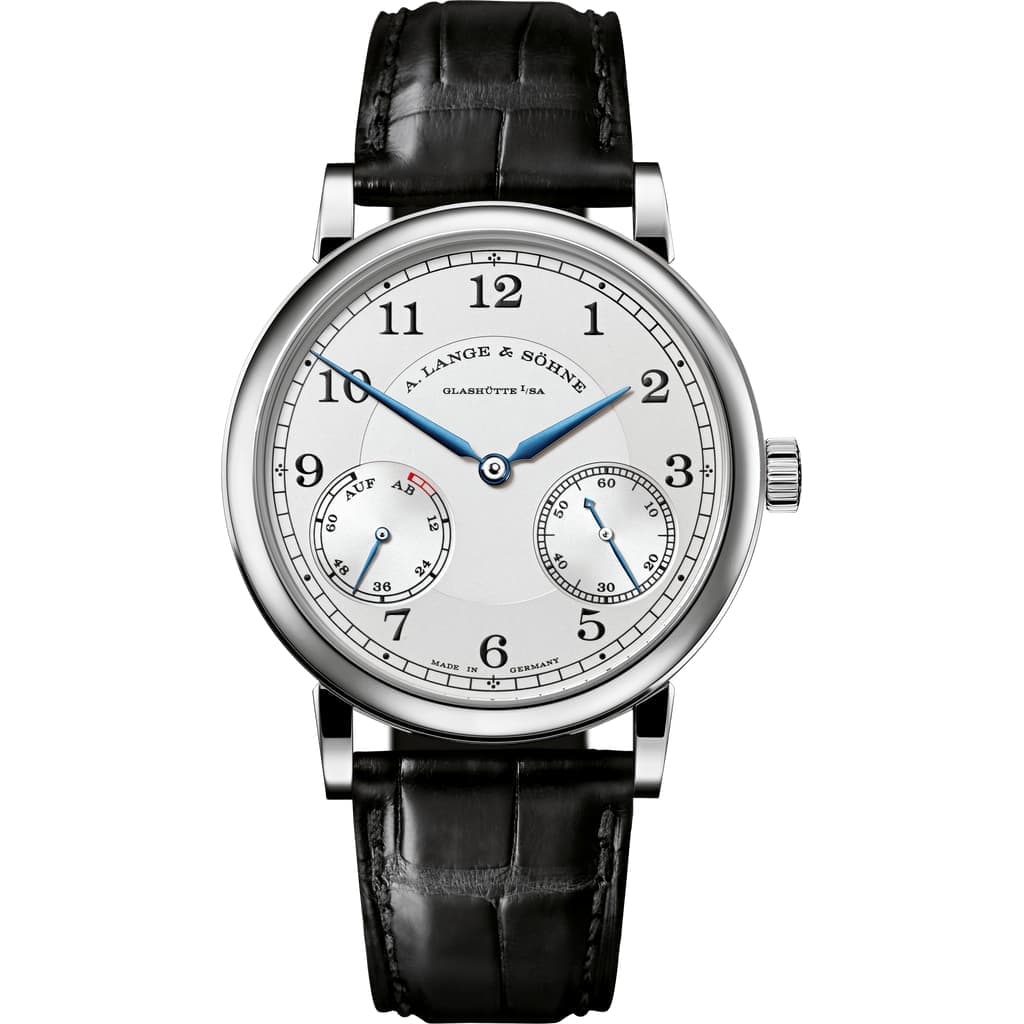
The mainspring's outer end hooks to the inner wall of the barrel; its inner end hooks to the arbor, the central shaft around which the spring coils. Winding tightens the coil; the spring releases by pushing outward against the barrel wall as it uncoils, rotating the barrel. The barrel's rotation drives the first wheel of the gear train. The first and last thirds of the mainspring's unwinding deliver less consistent torque than the middle range; modern movements are engineered to operate primarily within this more-linear central zone through normal wear patterns. A fusée-and-chain system, surviving in a handful of wristwatch movements, mechanically compensates across the full range.
In the catalog
Related
- Barrel: The cylindrical container for the mainspring
- Gear train: The series of wheels reducing the mainspring's speed to readable time
- Escapement: The mechanism that divides time into equal steps
- Rotor: The eccentric weight that winds automatic movements